
When families begin exploring care options for an aging parent, recovering patient, or loved one with ongoing health needs, they often encounter two terms that sound very similar: home health care and home care. Because the names are closely related, many people assume they mean the same thing. In reality, these services serve different purposes and address different levels of need.
Understanding the distinction between home health care and home care is one of the most important steps in choosing the right support. Selecting the wrong type of care can lead to unnecessary costs, unmet healthcare needs, or confusion about what services are actually available.
Some individuals require skilled nursing and rehabilitation services after surgery, illness, or hospitalization. Others simply need help with daily activities such as meal preparation, companionship, transportation, or personal care. Knowing which service matches your situation can help ensure better outcomes, improved safety, and greater peace of mind.
In this guide, we’ll explore the key differences between home health care and home care, discuss who benefits from each service, review insurance considerations, compare costs, and help families make informed care decisions.
Table of Contents
- Understanding the Difference
- What Is Home Health Care?
- What Is Home Care?
- Medical vs Non-Medical Care
- Who Needs Home Health Care?
- Who Needs Home Care?
- Understanding Skilled Nursing Services
- Private Duty Care and Companion Care
- Insurance Coverage Differences
- Cost Comparison
- Benefits of Each Option
- Frequently Asked Questions
Important Note
Many families discover they need both medical and non-medical support at different stages of recovery or aging. Understanding the difference between home health care and home care can help you choose services that improve safety, independence, and quality of life while avoiding unnecessary confusion.
Understanding the Difference Between Home Health Care and Home Care
The simplest way to understand the difference is that home health care focuses on medical services, while home care focuses on non-medical assistance.
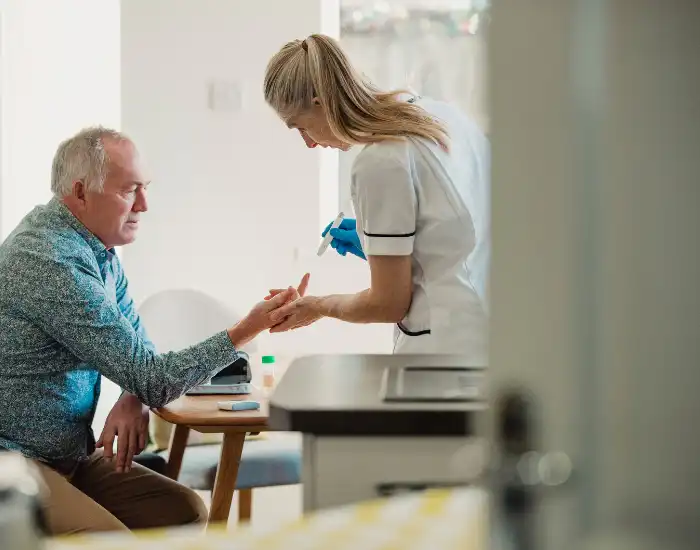
Home health care is provided by licensed healthcare professionals such as registered nurses, physical therapists, occupational therapists, and speech therapists. These services are typically prescribed by a physician and are often part of a treatment or recovery plan.
Home care, on the other hand, focuses on helping individuals with daily living activities and personal support. Caregivers may assist with bathing, meal preparation, companionship, transportation, light housekeeping, and other routine tasks.
While both services are delivered in the home, the goals and qualifications for each type of care are very different.
For example, a patient recovering from surgery may require skilled nursing and physical therapy, which would fall under home health care. Meanwhile, an older adult who simply needs help preparing meals and getting to appointments may benefit from home care services.
What Is Home Health Care?
Home health care is a healthcare service designed for patients who need professional medical support while remaining at home.
These services are typically ordered by a physician and provided by licensed healthcare professionals. The goal is often to help patients recover from illness, surgery, injury, or manage ongoing medical conditions.
Home health care may include:
- Skilled nursing visits
- Medication management
- Physical therapy
- Occupational therapy
- Speech therapy
- Wound care
- Disease management education
- Post-hospital recovery support
Because these services involve medical treatment and professional clinical judgment, they must be provided by qualified healthcare personnel.
Patients receiving home health care often have physician-directed treatment plans that outline specific goals and services.
For example, someone recovering from a stroke may receive physical therapy to improve mobility, speech therapy to address communication challenges, and nursing visits to monitor medications and recovery progress.
Services such as home health care in Houston provide professional medical support designed to help patients recover safely while remaining in familiar surroundings.

What Is Home Care?
Home care focuses on non-medical assistance that helps individuals remain independent and comfortable in their homes.
Unlike home health care, home care does not involve medical treatment, nursing procedures, or rehabilitation services.
Instead, caregivers provide practical support with daily activities that may become challenging because of age, disability, recovery limitations, or general health concerns.
Home care services may include:
- Companionship
- Meal preparation
- Personal hygiene assistance
- Transportation
- Light housekeeping
- Laundry assistance
- Medication reminders
- Shopping and errands
These services can make a significant difference in a person’s quality of life, especially for seniors who wish to remain at home but need some additional support.
A caregiver may spend several hours each day helping with routines and providing companionship, but they generally do not perform skilled medical tasks.
This distinction is one of the most important differences when comparing home healthcare vs caregiver services.
Medical vs Non-Medical Care: The Biggest Difference
The primary distinction between home health care and home care comes down to whether medical treatment is required.
Home health care addresses clinical needs. Home care addresses lifestyle and daily living needs.
A patient who requires wound care, physical therapy, injections, medication monitoring, or recovery support after hospitalization likely needs home health care.
A senior who needs companionship, help with meal preparation, assistance getting dressed, or transportation to appointments may benefit more from home care.
Some individuals receive both services simultaneously.
For example, a patient recovering from surgery may receive skilled nursing visits while also receiving assistance with cooking and household tasks through home care.
The combination allows medical recovery and daily support needs to be addressed at the same time.
Who Needs Home Health Care?
Home health care is generally appropriate for individuals who require professional medical services but do not need full-time hospitalization or institutional care.
Patients who may benefit include those recovering from:
- Surgery
- Stroke
- Heart-related conditions
- Serious infections
- Hospitalization
- Neurological conditions
- Chronic illnesses requiring monitoring
Home health care is often recommended when a physician believes professional healthcare support will improve recovery outcomes or help manage ongoing medical needs.
Many patients receive home health services for a limited period while recovering, while others may require ongoing care for chronic conditions.
Who Needs Home Care?
Home care is often ideal for individuals who do not require medical treatment but need assistance with everyday activities. These services are especially valuable for seniors who wish to age in place while maintaining as much independence as possible.
Many older adults can still manage their health conditions effectively but struggle with physically demanding or time-consuming daily tasks. Home care provides support that allows them to remain safely in their homes rather than relocating to an assisted living facility or nursing home.
People who commonly benefit from home care include:
- Seniors living alone
- Individuals with limited mobility
- People recovering from illness who need temporary assistance
- Adults with disabilities
- Family caregivers who need additional support
- Individuals experiencing mild memory challenges
For example, an elderly parent may no longer feel comfortable driving, shopping, preparing meals, or performing household chores. A home caregiver can provide practical assistance while helping the individual maintain their routine and independence.
In many cases, families begin with home care services and later add home health care if medical needs develop.
Services such as home care assistance can provide valuable support for individuals who need help with everyday activities while continuing to live at home.
Understanding Skilled Nursing Services
One of the most important differences between home health care and home care is the availability of skilled nursing services.
Skilled nursing involves medical care provided by licensed professionals who have the training and credentials necessary to perform clinical tasks.
These services may include:
- Medication administration and monitoring
- Wound care
- Disease management
- Vital sign monitoring
- Catheter care
- Injection administration
- Patient and caregiver education
- Coordination with physicians
Because these tasks involve medical judgment and clinical expertise, they cannot typically be provided by standard home caregivers.
Patients who require skilled nursing services often have recent hospitalizations, complex health conditions, or recovery plans that need professional oversight.
For example, someone recovering from surgery may need wound assessments and infection monitoring, while a patient with heart failure may require regular evaluations of symptoms and medication effectiveness.
Services such as skilled home healthcare help ensure patients receive the clinical support necessary for safe recovery and ongoing health management.
Private Duty Care and Companion Care Explained
When families research home care options, they often encounter terms such as private duty care and companion care. While both fall under the broader category of home care, they provide different levels of support.
Private Duty Care
Private duty care focuses on providing personalized assistance with daily living activities. Caregivers may help with:
- Bathing and grooming
- Dressing assistance
- Meal preparation
- Mobility support
- Medication reminders
- Transportation
- Light housekeeping
Private duty care can be arranged for a few hours per week or around-the-clock, depending on individual needs.
Families often choose private duty care when a loved one requires consistent assistance but does not necessarily need medical treatment.
Companion Care
Companion care focuses primarily on emotional support, social interaction, and assistance with routine activities.
Many seniors experience loneliness or isolation, especially after losing a spouse or experiencing mobility limitations. Companion caregivers help address these challenges by providing meaningful interaction and support.
Companion care may include:
- Conversation and social engagement
- Accompaniment to appointments
- Help with hobbies and activities
- Light household assistance
- Errands and shopping support
While companion care does not provide medical treatment, it can play an important role in maintaining emotional well-being and quality of life.
Insurance Coverage Differences
Insurance coverage is another major difference between home health care and home care.
Because home health care involves medically necessary services ordered by a physician, it may be covered by Medicare, Medicaid, or private insurance plans when eligibility requirements are met.
Coverage often applies to services such as:
- Skilled nursing visits
- Physical therapy
- Occupational therapy
- Speech therapy
- Certain medical social services
Eligibility requirements vary depending on the insurance provider and the patient’s medical condition.
Patients often qualify when services are medically necessary and prescribed as part of a treatment plan.
Home care services, however, are usually considered non-medical support and are frequently paid for privately.
Some long-term care insurance policies may provide partial coverage for home care services, but traditional health insurance plans generally do not cover routine companionship, housekeeping, or personal care assistance.
Families should carefully review insurance benefits and speak with care providers to understand potential coverage options.
Important Note
Many families worry that choosing the wrong type of care will lead to unnecessary expenses or inadequate support. The good news is that care plans can often be adjusted as needs change. A person may begin with home health care during recovery and later transition to home care for ongoing assistance. Understanding these options can help families make confident decisions without feeling overwhelmed.
Comparing the Costs of Home Health Care and Home Care
Cost is often one of the first questions families ask when evaluating care options.
While actual expenses vary based on location, services, provider qualifications, and the number of hours required, home health care and home care are structured differently from a financial standpoint.
Home health care often involves intermittent visits from healthcare professionals. Because services are medically focused and may qualify for insurance coverage, out-of-pocket expenses can sometimes be lower than families expect.
Home care costs are typically based on hourly caregiving services. The more hours of assistance required, the higher the overall cost.
Factors affecting home care costs may include:
- Number of care hours needed
- Daytime versus overnight care
- Weekend or holiday services
- Level of assistance required
- Geographic location
For families evaluating care options, understanding both medical needs and financial considerations is essential when developing a long-term care plan.
Benefits of Home Health Care and Home Care
Although home health care and home care serve different purposes, both offer significant advantages that can improve quality of life, safety, and overall well-being. The right choice depends on an individual’s specific needs, goals, and health condition.
Benefits of Home Health Care
Home health care allows patients to receive professional medical services without leaving their homes. This can be particularly beneficial for individuals recovering from surgery, illness, injury, or hospitalization.
Key benefits include:
- Access to licensed healthcare professionals
- Personalized treatment plans
- Recovery support after hospitalization
- Skilled nursing care at home
- Physical, occupational, and speech therapy services
- Medication monitoring and management
- Reduced hospital readmission risks
- Improved recovery outcomes
Patients often recover more comfortably when they can remain in familiar surroundings while still receiving the medical attention they need.
Home health care also allows healthcare professionals to evaluate real-life challenges within the patient’s home environment and adjust care plans accordingly.
Benefits of Home Care
Home care focuses on helping individuals maintain independence and enjoy a higher quality of life.
Benefits may include:
- Assistance with daily activities
- Increased safety at home
- Companionship and emotional support
- Reduced caregiver stress
- Help with transportation and errands
- Support for aging in place
- Flexible scheduling options
- Personalized assistance based on individual needs
For many seniors, home care provides the support needed to remain comfortably at home while preserving independence and dignity.
The emotional benefits can also be significant. Regular interaction with caregivers can help reduce feelings of loneliness and social isolation, which are common concerns among older adults.
Can You Receive Both Home Health Care and Home Care?
Yes. In fact, many individuals benefit from a combination of both services.
Medical needs and daily living needs often overlap, particularly after a major health event.
For example, a patient recovering from a stroke may receive:
- Skilled nursing visits
- Physical therapy
- Occupational therapy
- Speech therapy
At the same time, the patient may also require assistance with:
- Meal preparation
- Bathing
- Transportation
- Household tasks
- Companionship
By combining home health care and home care services, families can address both medical recovery and everyday support needs.
This integrated approach often helps individuals remain safely at home while maximizing independence and comfort.
How to Choose the Right Service for Your Situation
Choosing between home health care and home care starts with understanding the individual’s primary needs.
Consider the following questions:
Does the person require medical treatment?
If the answer is yes, home health care may be appropriate. Skilled nursing, therapy services, wound care, and medical monitoring generally require licensed healthcare professionals.
Is help needed with daily living activities?
If the person primarily needs assistance with personal care, transportation, housekeeping, or companionship, home care may be the better option.
Has there been a recent hospitalization or surgery?
Patients recovering from hospitalization often benefit from home health care services designed to support recovery and reduce readmission risks.
Is the goal long-term support or short-term recovery?
Home health care is often short-term and focused on specific medical goals. Home care may continue for months or years depending on the individual’s needs.
Families do not have to navigate these decisions alone. Healthcare providers, physicians, discharge planners, and experienced home health agencies can help evaluate needs and recommend appropriate services.
Why Families in Houston Choose Aleris Home Health
When medical care is needed at home, choosing a trusted provider is essential.
Aleris Home Health proudly serves patients throughout Sugar Land, Houston, Missouri City, Richmond, Stafford, Katy, Pearland, The Woodlands, Kingwood, and surrounding Texas communities.
Our experienced healthcare team provides personalized services designed to support recovery, independence, and long-term wellness.
Services include:
- Home nursing services
- Physical therapy
- Occupational therapy
- Speech therapy
- Private duty care
- In-home rehabilitation
- Skilled home healthcare services
Whether you need post-hospital recovery support, chronic disease management, therapy services, or skilled nursing care, Aleris Home Health is committed to delivering compassionate, patient-centered care in the comfort of your home.

Home Health Care vs Home Care: Key Takeaways
While the terms may sound similar, home health care and home care serve different purposes.
Home health care focuses on medical services delivered by licensed healthcare professionals. These services may include skilled nursing, rehabilitation therapies, wound care, and medical monitoring.
Home care focuses on non-medical support such as companionship, meal preparation, transportation, housekeeping, and personal assistance.
Understanding the distinction helps families choose the right level of care, avoid unnecessary expenses, and ensure loved ones receive appropriate support.
In many situations, combining both services provides the most comprehensive solution by addressing medical recovery needs and everyday living assistance simultaneously.
Frequently Asked Questions About Home Health Care vs Home Care
What is the difference between home health care and home care?
Home health care provides medical services delivered by licensed healthcare professionals, while home care focuses on non-medical assistance with daily activities and companionship.
Does Medicare cover home health care?
Medicare may cover eligible home health services when medical requirements are met and a physician certifies the need for care. Coverage varies based on individual circumstances.
Does Medicare cover home care services?
In most cases, Medicare does not cover non-medical home care services such as housekeeping, meal preparation, companionship, or personal care assistance.
Can I receive both home health care and home care?
Yes. Many individuals receive both services simultaneously. Home health care addresses medical needs, while home care provides support with daily living activities.
Who provides home health care services?
Home health care services are provided by licensed professionals such as registered nurses, physical therapists, occupational therapists, speech therapists, and other qualified healthcare providers.
Who provides home care services?
Home care services are typically provided by caregivers, personal care aides, companion caregivers, or home care assistants who help with non-medical daily activities.
Which service is best for seniors?
The best option depends on the senior’s needs. Seniors with medical conditions or recovery needs may benefit from home health care, while those needing assistance with daily activities may benefit from home care. Some seniors require both.
Medical Disclaimer
This article is intended for informational purposes only and should not be considered medical, legal, or financial advice. Individual care needs vary based on health conditions and personal circumstances. Consult with a qualified healthcare provider or home health professional to determine the most appropriate care plan for your situation.