When most people hear the word “nurse,” they often picture someone working in a hospital, clinic, or doctor’s office. However, many patients receive professional nursing care without ever leaving their homes. Home health nurses play a critical role in helping individuals recover from illness, manage chronic conditions, and maintain their health while remaining in familiar surroundings.
For patients recovering from surgery, living with chronic diseases, healing from wounds, or transitioning home after hospitalization, a home health nurse often becomes one of the most important members of the healthcare team. These skilled professionals bring medical expertise directly to patients, helping bridge the gap between physician visits and day-to-day health management.
As healthcare continues shifting toward more patient-centered care, home nursing services have become increasingly valuable. Families often find that professional nursing support at home improves safety, promotes recovery, and provides peace of mind during challenging health situations.
In this guide, we’ll explore what a home health nurse does, their daily responsibilities, how they support patients with chronic conditions, and why skilled nursing at home can be an essential part of quality healthcare.
Table of Contents
- What Is a Home Health Nurse?
- The Role of Home Health Nurses
- Who Needs Home Health Nursing Services?
- Daily Responsibilities of a Home Health Nurse
- Chronic Disease Monitoring
- Medication Management and Safety
- Wound Care and Recovery Support
- Patient and Family Education
- Coordination With Physicians and Care Teams
- Benefits of Skilled Nursing at Home
- Frequently Asked Questions
Important Note
Many patients assume recovery ends when they leave the hospital, but the weeks that follow are often just as important. A home health nurse helps monitor progress, identify complications early, and ensure patients receive the support they need to recover safely and confidently at home.
What Is a Home Health Nurse?
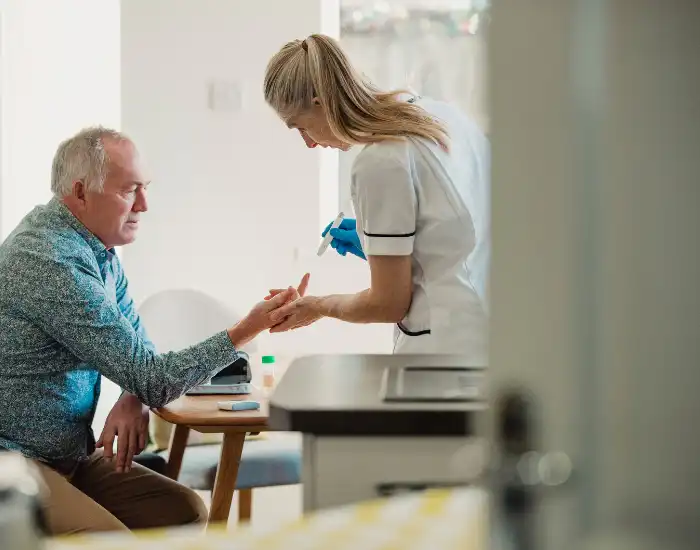
A home health nurse is a licensed healthcare professional who provides medical care to patients in their homes. Unlike hospital nurses who care for multiple patients within a healthcare facility, home health nurses deliver personalized, one-on-one care directly where patients live.
These nurses are trained to assess medical conditions, monitor recovery, manage treatments, provide education, and coordinate care with physicians and other healthcare providers.
Their goal is to help patients achieve the best possible health outcomes while remaining in a comfortable and familiar environment.
Home health nurses may be registered nurses (RNs) or licensed vocational nurses (LVNs), depending on the services required and state regulations.
Because they work independently in patients’ homes, home health nurses must possess strong clinical skills, critical thinking abilities, and excellent communication skills.
Every home visit requires the nurse to evaluate the patient’s condition, identify potential concerns, and make informed decisions that support the patient’s treatment plan.
The Role of Home Health Nurses
The role of a home health nurse extends far beyond administering medications or checking vital signs.
These professionals serve as healthcare advocates, educators, coordinators, and clinical experts who help patients navigate recovery and long-term health management.
Home health nurses work closely with physicians, therapists, caregivers, and family members to ensure care plans are followed correctly.
Depending on the patient’s needs, their responsibilities may include:
- Performing health assessments
- Monitoring chronic conditions
- Managing medications
- Providing wound care
- Educating patients and families
- Monitoring recovery progress
- Identifying early warning signs of complications
- Coordinating care with physicians
Because home health nurses regularly observe patients in their everyday environment, they often identify concerns that may not be visible during short clinic visits.
This allows for more personalized care and earlier intervention when problems arise.
Who Needs Home Health Nursing Services?
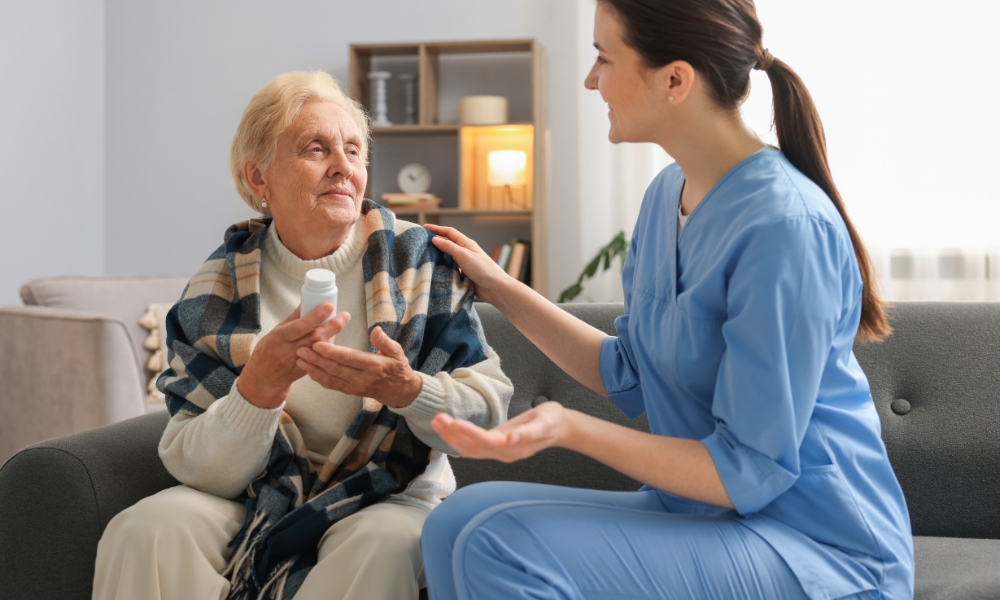
Home health nursing services can benefit individuals of many ages and health conditions, although they are most commonly used by seniors, post-surgical patients, and individuals managing chronic illnesses.
Patients who often receive home nursing services include:
- Individuals recovering from surgery
- Patients recently discharged from the hospital
- People living with chronic diseases
- Stroke survivors
- Patients requiring wound care
- Individuals with mobility limitations
- People managing complex medication regimens
- Patients requiring ongoing health monitoring
For example, a patient recovering from joint replacement surgery may require regular nursing assessments, medication monitoring, and wound evaluations.
A patient with heart failure may need ongoing symptom monitoring and education to help prevent complications.
Similarly, individuals managing diabetes often benefit from nursing support that helps improve medication compliance, monitor symptoms, and reinforce healthy self-care practices.
Services such as home nursing services provide essential support for patients who require professional medical oversight while remaining at home.
Daily Responsibilities of a Home Health Nurse
Every patient has unique healthcare needs, so no two home nursing visits are exactly alike. However, certain responsibilities are common across most home health nursing services.
One of the first tasks during a visit is performing a comprehensive patient assessment.
This assessment may include reviewing:
- Vital signs
- Symptoms
- Pain levels
- Medication compliance
- Mobility status
- Overall health changes
The nurse compares current findings to previous visits and identifies any concerning trends.
Even small changes can provide valuable clues about a patient’s recovery progress or potential complications.
Home health nurses also evaluate the patient’s living environment to identify safety risks that could affect health outcomes.
For example, they may notice fall hazards, medication storage issues, or challenges that interfere with treatment adherence.
These observations allow nurses to provide practical recommendations that support patient safety and independence.
Chronic Disease Monitoring
One of the most valuable services a home health nurse provides is chronic disease monitoring.
Millions of Americans live with long-term health conditions that require ongoing management and regular observation.
Without proper monitoring, chronic diseases can worsen over time and lead to emergency room visits, hospitalizations, or serious complications.
Home health nurses help patients manage conditions such as:
- Diabetes
- Heart failure
- Chronic obstructive pulmonary disease (COPD)
- Hypertension
- Kidney disease
- Neurological disorders
- Arthritis
During home visits, nurses monitor symptoms, review treatment plans, assess medication effectiveness, and educate patients about disease management.
For example, a patient with heart failure may be monitored for fluid retention, breathing difficulties, sudden weight changes, or worsening fatigue.
Identifying these changes early allows physicians to adjust treatment before serious complications occur.
Similarly, patients receiving diabetes care services may benefit from ongoing nursing support that helps maintain blood sugar control and reduce long-term health risks.
Medication Management and Safety
Medication management is one of the most important responsibilities of a home health nurse. Many patients receiving home health services take multiple medications for different health conditions, making it easy for confusion, missed doses, or medication errors to occur.
After a hospitalization, medication regimens often change. New prescriptions may be added, existing medications adjusted, or certain drugs discontinued altogether. Patients and family members may struggle to keep track of these changes, especially when multiple healthcare providers are involved.
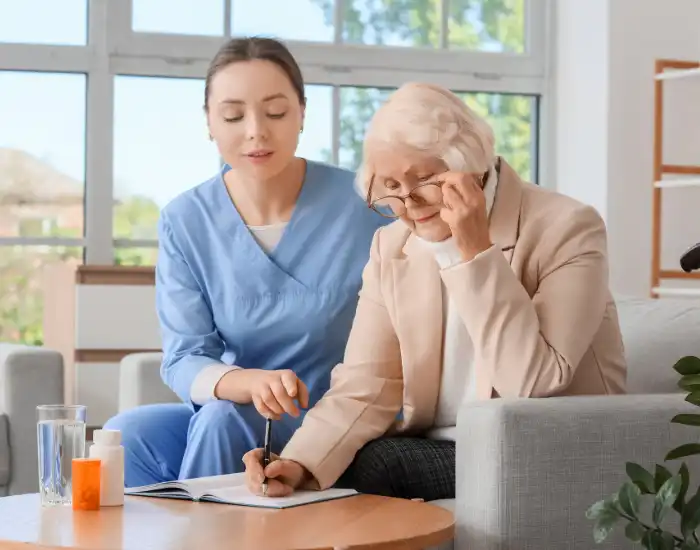
A home health nurse helps reduce these risks by reviewing medications carefully and ensuring patients understand their treatment plans.
Medication management responsibilities may include:
- Reviewing prescription instructions
- Checking medication schedules
- Monitoring for side effects
- Identifying potential drug interactions
- Educating patients about proper use
- Monitoring medication effectiveness
- Communicating concerns to physicians
For many patients, medication education alone can significantly improve health outcomes. Understanding why a medication is prescribed and how it works often increases compliance and reduces treatment errors.
Home health nurses also help family caregivers feel more confident when assisting loved ones with medication routines.
Services such as safe medication management at home can play a critical role in supporting patient safety and recovery.
Wound Care and Recovery Support
Wound care is another area where home health nurses provide highly specialized support.
Patients recovering from surgery, injuries, infections, or chronic medical conditions often require ongoing wound monitoring and treatment.
Proper wound care is essential because delayed healing or infection can lead to serious complications.
A wound care nurse may provide services such as:
- Wound assessments
- Dressing changes
- Infection monitoring
- Skin integrity evaluations
- Pressure injury prevention
- Patient education on wound care techniques
- Communication with physicians regarding healing progress
Home-based wound care offers several advantages. Patients can receive professional treatment without traveling to healthcare facilities, and nurses can evaluate how environmental factors may affect healing.
For example, a nurse may identify issues related to mobility, nutrition, hygiene, or pressure relief that could impact recovery.
Early identification of infection signs is particularly important. Symptoms such as increased redness, swelling, drainage, pain, or fever may require prompt medical attention.
Patients receiving in-home wound care services often benefit from consistent monitoring that helps support healing and reduce complication risks.
Patient and Family Education
One of the most valuable but often overlooked roles of a home health nurse is education.
Patients frequently leave hospitals or medical appointments with large amounts of information. While discharge instructions may seem clear at the time, many individuals later find themselves uncertain about medications, recovery expectations, warning signs, or treatment plans.
Home health nurses help bridge this gap by providing practical education tailored to the patient’s specific situation.
Education topics may include:
- Disease management strategies
- Medication instructions
- Dietary recommendations
- Activity restrictions
- Fall prevention techniques
- Wound care procedures
- Symptom monitoring
- Emergency warning signs
Rather than providing generic information, nurses adapt education to the patient’s health literacy level, daily routines, and home environment.
This personalized approach often improves understanding and encourages active participation in healthcare decisions.
Family caregivers also benefit significantly from education. Caregivers who understand treatment plans and warning signs are better equipped to support loved ones while avoiding unnecessary stress and uncertainty.
Important Note
Many patients worry that asking questions about medications, symptoms, or recovery instructions might seem unnecessary. In reality, asking questions is one of the most important parts of healthcare. Home health nurses encourage open communication because informed patients often experience safer recoveries and better long-term health outcomes.
Coordination With Physicians and Care Teams
Healthcare today often involves multiple providers working together to support a patient’s needs.
A patient recovering from surgery, for example, may have a primary care physician, surgeon, physical therapist, pharmacist, and home health nurse involved in their care.
Without effective communication, important details can easily be overlooked.
Home health nurses serve as an important connection between patients and healthcare providers.
Because nurses regularly observe patients in their homes, they often notice changes before anyone else.
These observations allow them to provide valuable updates to physicians and recommend further evaluation when necessary.
Examples of physician coordination include:
- Reporting changes in symptoms
- Discussing medication concerns
- Providing wound healing updates
- Sharing therapy progress reports
- Communicating new health developments
- Requesting treatment plan adjustments
This ongoing communication helps ensure that care remains coordinated and responsive to the patient’s changing needs.
It also reduces the risk of misunderstandings that could negatively affect recovery or disease management.
How Home Health Nurses Help Prevent Hospital Readmissions
Hospital readmissions remain a major healthcare concern, particularly for older adults and individuals with chronic medical conditions.
Many readmissions occur because symptoms worsen at home, medications are misunderstood, or warning signs go unnoticed until the situation becomes serious.
Home health nurses play a key role in reducing these risks.
Through regular visits and ongoing monitoring, nurses can identify potential problems early and intervene before complications escalate.
Common ways nurses help prevent readmissions include:
- Monitoring symptom changes
- Supporting medication compliance
- Providing disease education
- Managing wound care properly
- Identifying infection risks
- Coordinating physician follow-up care
- Addressing patient concerns promptly
For patients transitioning home after hospitalization, these services provide an added layer of protection during one of the most vulnerable stages of recovery.
Home health nurses help ensure that recovery plans remain on track while empowering patients to participate actively in their healthcare journey.
Benefits of Skilled Nursing at Home
Skilled nursing at home provides patients with access to professional medical care without requiring frequent trips to hospitals, clinics, or rehabilitation facilities. For many individuals, receiving care in a familiar environment creates a more comfortable and less stressful recovery experience.
Beyond convenience, skilled nursing at home offers several important health benefits. It allows nurses to provide personalized attention while helping patients follow their treatment plans more effectively.
Some of the key benefits of skilled nursing at home include:
- Personalized one-on-one medical attention
- Improved medication safety
- Better monitoring of chronic conditions
- Early identification of health complications
- Support during recovery after hospitalization
- Reduced stress for patients and families
- Improved communication between healthcare providers
For many patients, the home environment can support emotional well-being as much as physical recovery. Being surrounded by familiar belongings, family members, and daily routines can make the recovery process feel more manageable.
Home health nurses also provide reassurance to families who may feel uncertain about managing a loved one’s healthcare needs alone.
Having a trained professional regularly evaluate the patient’s condition can provide confidence that changes are being noticed and addressed appropriately.
The Role of a Home Health Nurse After Hospital Discharge
The transition from hospital care back to home can be a challenging period for many patients.
Even after successful treatment, patients may still face medication changes, mobility limitations, pain management concerns, wound care needs, or uncertainty about recovery expectations.
A home health nurse helps make this transition safer by providing continued medical support after discharge.
During the first visits after returning home, the nurse may:
- Review hospital discharge instructions
- Assess the patient’s overall condition
- Review medications
- Check surgical sites or wounds
- Monitor vital signs
- Evaluate mobility and safety concerns
- Provide education for patients and caregivers
This support is especially important because some complications may not appear immediately after leaving the hospital.
For example, a patient recovering from surgery may experience changes in pain, swelling, mobility, or wound healing that require professional evaluation.
Home health nurses help identify these concerns early and communicate with physicians when additional care is needed.
Services such as home health care after hospital discharge help patients continue recovery safely while reducing unnecessary healthcare challenges.
Home Health Nurse vs Regular Caregiver: What Is the Difference?
One common source of confusion for families is understanding the difference between a home health nurse and a regular caregiver.
Although both professionals provide valuable support, their responsibilities and qualifications are different.
A home health nurse is a licensed healthcare professional who can provide medical services such as assessments, medication management, wound care, and disease monitoring.
A caregiver generally provides non-medical assistance, including help with daily activities, companionship, transportation, and household tasks.
For example:
- A nurse may evaluate a surgical wound and communicate healing progress to a physician.
- A caregiver may help the patient prepare meals and complete daily routines.
- A nurse may monitor blood pressure and adjust care recommendations based on physician instructions.
- A caregiver may provide reminders to take medications but does not typically manage medical treatment.
Both roles are valuable, but choosing the correct type of support depends on the patient’s health needs.
Some patients require skilled nursing, while others benefit from caregiver assistance. Many individuals receive both types of support at different stages of their healthcare journey.
Signs You May Need a Home Health Nurse
Recognizing when professional nursing support is needed can help prevent complications and improve quality of life.
Some signs that a person may benefit from a home health nurse include:
- Difficulty managing multiple medications
- Recent hospitalization or surgery
- A wound that requires monitoring
- Changes in chronic disease symptoms
- Difficulty understanding treatment instructions
- Frequent doctor visits or medical concerns
- Declining ability to manage health independently
- Need for ongoing medical monitoring
Families often notice small changes before a serious problem develops. A loved one may become more tired, struggle with medication routines, have difficulty following dietary recommendations, or appear less confident managing their health.
These situations may indicate that additional professional support could be beneficial.
Why Choose Aleris Home Health for Home Nursing Services?
Choosing a home health provider is an important decision because quality care directly affects recovery, safety, and overall well-being.
Aleris Home Health provides compassionate, skilled nursing services throughout Sugar Land, Houston, Missouri City, Richmond, Stafford, and surrounding Texas communities.
Our licensed healthcare professionals focus on delivering personalized care plans based on each patient’s medical needs and recovery goals.
Our home nursing services include:
- Skilled nursing visits
- Medication management support
- Chronic disease monitoring
- Wound care services
- Post-hospital recovery support
- Patient and family education
- Care coordination with physicians
At Aleris Home Health, we understand that receiving medical care at home requires trust, compassion, and professionalism. Our goal is to help patients maintain independence while receiving the healthcare support they need.
Frequently Asked Questions About Home Health Nurses
What does a home health nurse do?
A home health nurse provides medical care in a patient’s home. Responsibilities may include health assessments, medication management, wound care, chronic disease monitoring, patient education, and coordination with physicians.
What conditions can a home health nurse help manage?
Home health nurses assist patients with many conditions, including diabetes, heart disease, COPD, stroke recovery, surgical recovery, wounds, mobility challenges, and other chronic health concerns.
Does a home health nurse provide medication management?
Yes. Medication management is a common service provided by home health nurses. They help review medications, monitor effectiveness, identify concerns, and educate patients about proper medication use.
What is the difference between a home health nurse and a caregiver?
A home health nurse provides skilled medical care, while a caregiver typically provides non-medical assistance with daily activities such as bathing, meal preparation, and companionship.
Can a home health nurse provide wound care?
Yes. Many home health nurses specialize in wound care, including wound assessments, dressing changes, infection monitoring, and communication with physicians regarding healing progress.
How often does a home health nurse visit?
The frequency of visits depends on the patient’s medical needs, physician orders, and treatment plan. Some patients require occasional visits, while others may need more frequent monitoring.
Is home health nursing covered by Medicare?
Medicare may cover eligible home health nursing services when specific requirements are met, including medical necessity and physician certification. Coverage depends on individual circumstances.
Medical Disclaimer
This article is for informational purposes only and should not replace professional medical advice. Every patient’s healthcare needs are different. Speak with a qualified healthcare provider or home health professional to determine whether skilled nursing services are appropriate for your situation.