Leaving the hospital is often a major milestone in recovery, but it is rarely the end of the healing process. Many patients and families assume that once a hospital discharge occurs, life can immediately return to normal. In reality, the days and weeks following a hospital stay are often some of the most critical periods for recovery.
Patients frequently return home with new medications, follow-up appointments, therapy recommendations, activity restrictions, and ongoing medical needs. Without proper support, even a successful hospital treatment can be followed by complications, setbacks, or an unexpected return to the emergency room.
This is where home health after hospital discharge can make a meaningful difference. Skilled nurses, therapists, and healthcare professionals help bridge the gap between hospital care and independent living. They provide professional medical oversight, recovery support, and education that can help patients heal safely in the comfort of their own homes.
Table of Contents
- Why Recovery After Hospital Discharge Matters
- The Transition from Hospital to Home
- Understanding Hospital Readmission Risks
- Who Benefits Most from Post Hospital Home Care
- The Role of Skilled Nursing Visits
- Medication Management After Discharge
- Therapy Services During Recovery
- Follow-Up Care and Recovery Monitoring
- Preventing Complications at Home
- Frequently Asked Questions
Important Note
Many hospital readmissions happen within weeks of discharge, often because symptoms worsen, medications become confusing, or recovery challenges are missed early. Understanding what to expect after returning home can help patients and families recognize warning signs and seek support before complications develop.
Why Recovery After Hospital Discharge Matters
Hospital care focuses on stabilizing a patient’s condition and addressing immediate medical concerns. Once a person is healthy enough to leave the hospital, the recovery process continues at home.
Unfortunately, recovery at home can be more complicated than many families realize. Patients often return home feeling weaker than expected. They may have limited mobility, new medications, dietary restrictions, rehabilitation needs, or ongoing symptoms that require monitoring.
Without proper support, patients can struggle to follow treatment instructions correctly. Missed medications, poor mobility, infections, falls, or unmanaged symptoms can all interfere with recovery.
Home health care helps provide structure and professional oversight during this transition. Instead of facing recovery challenges alone, patients receive guidance from healthcare professionals who understand their condition and treatment plan.
The goal is not only to support healing but also to reduce the likelihood of avoidable complications.
The Transition from Hospital to Home
The transition from hospital care to home care is one of the most vulnerable periods in a patient’s healthcare journey.
While hospitals provide constant monitoring, patients often return home where family members may suddenly become responsible for managing medications, appointments, wound care, and recovery instructions.
For many families, this transition can feel overwhelming.
Questions commonly arise, including:
- How often should medications be taken?
- What symptoms are normal during recovery?
- When should a doctor be called?
- How much physical activity is safe?
- What warning signs require immediate attention?
These uncertainties can create anxiety for both patients and caregivers.
Home health professionals help answer these questions while ensuring recovery plans are followed correctly. They can identify concerns early, provide education, and communicate directly with physicians when needed.
This support creates continuity between hospital treatment and long-term recovery.

Understanding Hospital Readmission Risks
One of the biggest concerns after discharge is the possibility of hospital readmission. Readmissions occur when patients must return to the hospital because of complications, worsening symptoms, medication issues, infections, falls, or other health concerns.
Many readmissions happen within the first 30 days after discharge.
Common causes include:
- Medication errors
- Failure to follow discharge instructions
- Unrecognized warning signs
- Falls or injuries
- Poor management of chronic conditions
- Post-surgical complications
- Infections
Patients recovering from surgery, stroke, heart conditions, respiratory illnesses, or serious infections often face higher readmission risks.
The challenge is that complications may develop gradually. Symptoms that seem minor at first can become serious if they are not addressed quickly.
Home health care helps reduce these risks by providing regular assessments, patient education, and ongoing monitoring.
Skilled nurses can identify concerning changes early and communicate with physicians before a situation becomes an emergency.
This proactive approach is one reason why discharge planning often includes recommendations for home health services.
Who Benefits Most from Post Hospital Home Care?
Not every patient requires professional care after discharge, but many individuals can benefit significantly from additional support.
Post hospital home care is often recommended for patients who:
- Recently underwent surgery
- Experienced a stroke
- Were hospitalized for heart-related conditions
- Need wound care management
- Have mobility limitations
- Require physical rehabilitation
- Need skilled nursing supervision
- Manage multiple chronic conditions
Older adults are especially likely to benefit because recovery can take longer and medical needs may be more complex.
Patients with conditions such as diabetes, COPD, heart failure, or neurological disorders often require close monitoring during recovery.
For example, a patient recovering from a stroke may need skilled nursing visits, physical therapy, occupational therapy, and speech therapy to regain independence.
Similarly, a patient recovering from joint replacement surgery may need rehabilitation support to improve mobility and prevent falls.
Services such as post-surgery rehabilitation can play an important role in helping patients regain strength and function safely.
The Role of Skilled Nursing Visits
Skilled nursing visits are one of the most valuable components of home health after hospital discharge.
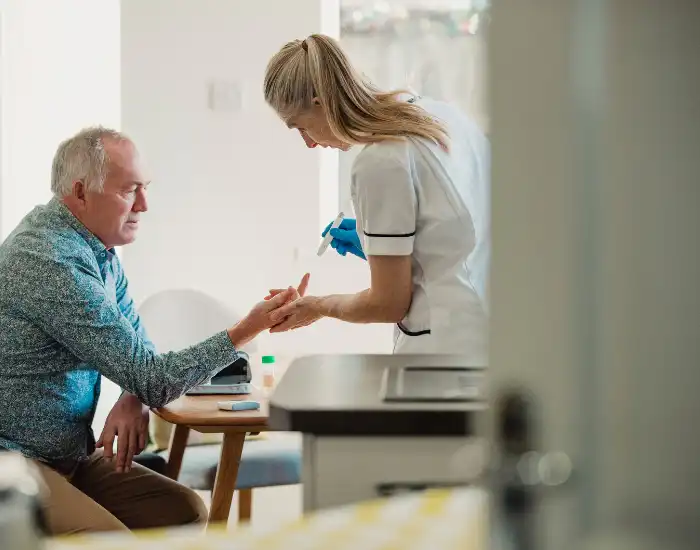
A registered nurse provides medical assessments, monitors recovery progress, and helps patients follow their physician’s instructions.
During skilled nursing visits, a nurse may:
- Monitor vital signs
- Review medications
- Assess healing progress
- Provide wound care
- Educate patients and families
- Identify warning signs of complications
- Coordinate with healthcare providers
Patients often feel reassured knowing a healthcare professional is regularly evaluating their condition.
Family caregivers also benefit because they receive guidance and support when questions arise during recovery.
For patients who require ongoing medical oversight, services such as home nursing services can provide essential support during the recovery process.
Medication Management After Discharge
Medication management is one of the most important aspects of recovery after a hospital stay. Many patients leave the hospital with new prescriptions, dosage changes, discontinued medications, or updated treatment plans. Even individuals who previously managed their medications well may feel overwhelmed by these changes.
Medication-related mistakes are one of the leading causes of preventable hospital readmissions. Missing doses, taking medications incorrectly, or misunderstanding instructions can significantly affect recovery and increase health risks.
Common medication challenges after discharge include:
- Confusion about new prescriptions
- Forgetting medication schedules
- Taking incorrect dosages
- Mixing old and new medications
- Difficulty understanding side effects
- Not recognizing adverse reactions
For example, a patient discharged after a heart-related hospitalization may receive multiple medications that affect blood pressure, heart rhythm, or fluid retention. Missing doses or taking medications incorrectly could lead to worsening symptoms and possible readmission.
Home health nurses help patients understand medication instructions, organize schedules, and monitor for side effects or concerning reactions. They can also communicate directly with physicians if medication-related concerns arise.
This level of support helps patients feel more confident while reducing the likelihood of preventable complications.
Therapy Services During Recovery
Many patients require more than medical monitoring after a hospital stay. They also need rehabilitation to rebuild strength, restore mobility, and regain independence.
Home-based therapy services allow patients to continue their recovery without the stress and difficulty of frequent travel to outpatient facilities.
Depending on the patient’s condition, therapy services may include physical therapy, occupational therapy, or speech therapy.
Physical Therapy After Hospital Discharge
Physical therapy helps patients regain movement, balance, endurance, and strength after illness, injury, surgery, or hospitalization.
Patients may benefit from physical therapy if they experience:
- Difficulty walking
- Muscle weakness
- Balance problems
- Reduced endurance
- Fall risks
- Limited mobility after surgery
Therapists develop personalized treatment plans that help patients improve function safely and gradually.
For many seniors, physical therapy is a key part of hospital readmission prevention because it helps reduce fall risks and encourages safe movement.
Occupational Therapy for Daily Activities
Occupational therapy focuses on helping patients perform everyday activities safely and independently.
This may include:
- Dressing
- Bathing
- Preparing meals
- Using mobility devices
- Managing household tasks
Occupational therapists also evaluate the home environment and recommend safety modifications that can reduce injury risks during recovery.
Patients recovering from stroke, surgery, or neurological conditions often benefit significantly from occupational therapy services.
Speech Therapy When Needed
Some patients experience communication or swallowing difficulties after medical events such as strokes, neurological disorders, or traumatic injuries.
Speech-language pathologists help patients improve communication skills and address swallowing concerns that may affect nutrition and overall health.
Receiving therapy at home allows healthcare professionals to tailor treatment plans to the patient’s actual living environment and daily routines.
For individuals requiring rehabilitation support, services such as in-home rehabilitation can play a vital role in recovery.
Important Note
Recovering at home can sometimes feel slow and frustrating, especially after a major illness or surgery. It is important to remember that setbacks do not always mean something is wrong. Many patients recover gradually over weeks or months. Regular monitoring and communication with healthcare professionals can help ensure recovery stays on track while providing reassurance along the way.
Follow-Up Care and Recovery Monitoring
Successful recovery requires more than simply following discharge instructions. Patients often need ongoing monitoring to ensure their condition continues improving after they leave the hospital.
Follow-up care helps identify potential problems before they become serious.
Healthcare professionals may monitor:
- Changes in symptoms
- Healing progress
- Vital signs
- Medication effectiveness
- Mobility improvements
- Nutritional needs
- Pain levels
For example, a patient recovering from surgery may initially appear to be healing well. However, changes in swelling, pain, temperature, or wound appearance could indicate an emerging complication.
Regular home health visits allow trained professionals to recognize these concerns early and communicate them to physicians.
This ongoing oversight creates an extra layer of protection during recovery and helps patients feel supported throughout the healing process.
Preventing Complications at Home
One of the biggest goals of post hospital home care is preventing complications that could delay recovery or require additional medical treatment.
Common complications after discharge may include:
- Falls
- Medication errors
- Worsening chronic conditions
- Dehydration
- Poor nutrition
- Infections
- Reduced mobility
- Missed follow-up appointments
Many of these issues can be addressed proactively through skilled nursing care, therapy services, patient education, and regular monitoring.
Home health professionals help patients recognize warning signs and understand when medical attention may be needed.
Families also receive valuable guidance that helps them support their loved one’s recovery safely and effectively.

Why Discharge Planning Matters
Effective discharge planning begins before a patient leaves the hospital. Healthcare providers evaluate the patient’s condition, recovery goals, and support needs to determine what services may be beneficial after discharge.
Discharge planning may include:
- Reviewing medications
- Scheduling follow-up appointments
- Arranging therapy services
- Coordinating home health care
- Providing recovery instructions
- Identifying safety concerns
When discharge planning is thorough, patients often experience smoother recoveries and fewer complications.
Home health agencies become important partners in this process because they help carry out the care plan established by physicians and hospital teams.
The transition from hospital to home becomes safer when everyone involved is working toward the same recovery goals.
How Home Health Care Supports Family Caregivers
Recovery after hospitalization affects more than just the patient. Family members often become caregivers overnight, helping with medications, appointments, mobility assistance, meal preparation, and monitoring symptoms.
While families are often eager to help, caregiving responsibilities can quickly become overwhelming, especially when medical needs are involved.
Many caregivers worry about:
- Making medication mistakes
- Recognizing warning signs
- Helping a loved one move safely
- Managing follow-up appointments
- Balancing caregiving with work and family responsibilities
Home health care provides professional support that helps reduce caregiver stress while improving patient safety.
Skilled nurses and therapists can answer questions, provide education, and help families understand what to expect during recovery.
Rather than carrying the full responsibility alone, caregivers gain access to experienced healthcare professionals who can monitor progress and identify concerns early.
This partnership often provides peace of mind for families who want the best possible outcome for their loved one.
Conditions That Often Require Home Health Care After Discharge
Although every patient’s situation is unique, certain conditions frequently benefit from professional home health services after hospitalization.
Common examples include:
Stroke Recovery
Stroke patients often require a combination of skilled nursing, physical therapy, occupational therapy, and speech therapy. Recovery can continue for months, making professional support especially valuable.
Joint Replacement Surgery
Patients recovering from knee, hip, or other orthopedic procedures often need rehabilitation services to restore strength, mobility, and independence.
Heart Conditions
Individuals recovering from heart-related hospitalizations may need symptom monitoring, medication management, and education to help prevent complications.
Respiratory Conditions
Patients with COPD, pneumonia, or other respiratory illnesses may benefit from ongoing assessment and support as they recover.
Diabetes Management
Patients whose hospitalization was related to diabetes complications may require additional education, monitoring, and assistance with medication routines.
Wound Care Needs
Post-surgical wounds, pressure injuries, and other complex wounds often require skilled nursing care to support proper healing.
Services such as in-home wound care services can help patients recover safely while reducing the risk of infection and complications.
Benefits of Recovery at Home
For many patients, recovering at home offers significant advantages compared to prolonged stays in institutional settings.
One of the most important benefits is comfort. Being surrounded by familiar people, routines, and personal belongings can have a positive impact on emotional wellbeing during recovery.
Other benefits include:
- Greater independence
- Personalized care plans
- Reduced exposure to healthcare facility-related infections
- More family involvement
- Convenient access to professional healthcare services
- Improved comfort and confidence
Recovery at home also allows healthcare professionals to evaluate real-world challenges that may not be visible in a clinical setting.
For example, therapists can assess how a patient navigates their own stairs, bathroom, bedroom, and kitchen. This helps create more practical and effective rehabilitation strategies.
Home-based care focuses on helping patients return to their highest possible level of independence while maintaining safety.
Why Choose Aleris Home Health After Hospital Discharge?
Choosing the right home health provider is an important part of a successful recovery plan.
Aleris Home Health provides compassionate, skilled healthcare services throughout Sugar Land, Houston, Missouri City, Richmond, Stafford, and surrounding Texas communities.
Our team works closely with patients, families, physicians, and hospital discharge planners to create individualized care plans that support recovery goals.
Services may include:
- Skilled nursing visits
- Medication management support
- Physical therapy
- Occupational therapy
- Speech therapy
- Chronic disease management
- Wound care services
- Post-surgical recovery support
We understand that the transition home can feel overwhelming. Our goal is to provide professional guidance, compassionate care, and ongoing support that helps patients recover safely and confidently.
Whether recovering from surgery, stroke, illness, or hospitalization related to a chronic condition, Aleris Home Health is committed to helping patients achieve the best possible outcomes at home.
Frequently Asked Questions About Home Health Care After Hospital Discharge
Why is home health care important after hospital discharge?
Home health care helps patients recover safely by providing skilled nursing, therapy services, medication support, and ongoing monitoring. It also helps reduce the risk of hospital readmission and supports a smoother transition from hospital to home.
How soon can home health care begin after discharge?
In many cases, home health services can begin shortly after a patient returns home. Timing depends on physician orders, patient needs, and care coordination arrangements.
Can home health care help prevent hospital readmissions?
Yes. Skilled monitoring, medication management, patient education, and early identification of complications can help reduce avoidable hospital readmissions.
Who qualifies for post hospital home care?
Patients who require skilled nursing, therapy services, medical monitoring, or rehabilitation after hospitalization may qualify for home health care based on physician recommendations and eligibility requirements.
What services are included in home health care after discharge?
Services may include skilled nursing visits, medication management, physical therapy, occupational therapy, speech therapy, wound care, chronic disease management, and recovery monitoring.
Does Medicare cover home health care after a hospital stay?
Medicare may cover eligible home health services when certain requirements are met, including physician certification and medical necessity. Coverage depends on individual circumstances.
How long does home health care last after hospital discharge?
The duration varies depending on the patient’s condition, recovery progress, physician recommendations, and ongoing healthcare needs. Some patients need short-term support, while others may require longer care plans.
Medical Disclaimer
This article is for informational purposes only and does not constitute medical advice. Every patient’s recovery needs are unique. Always consult a qualified healthcare provider regarding treatment decisions, discharge planning, and home health care services appropriate for your specific situation.