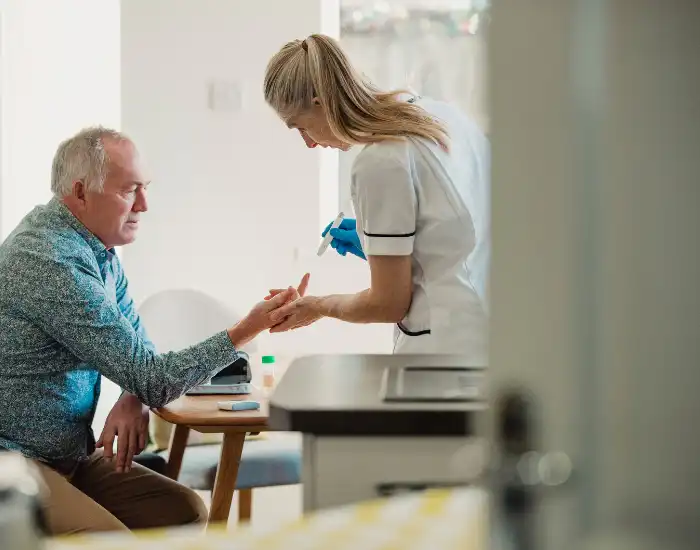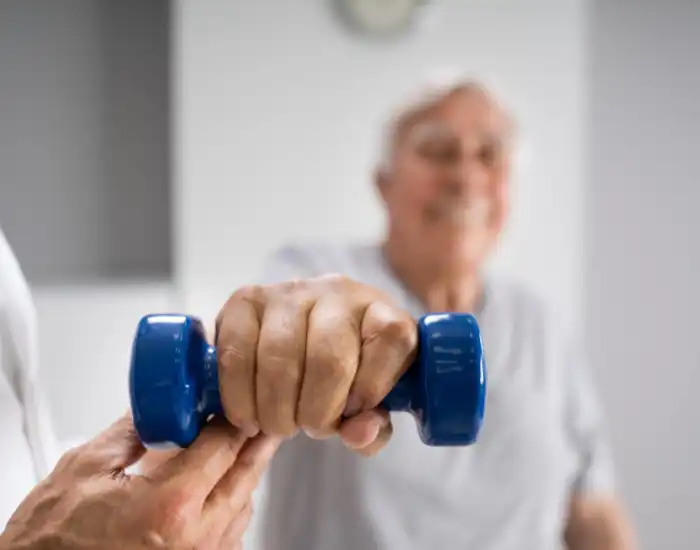
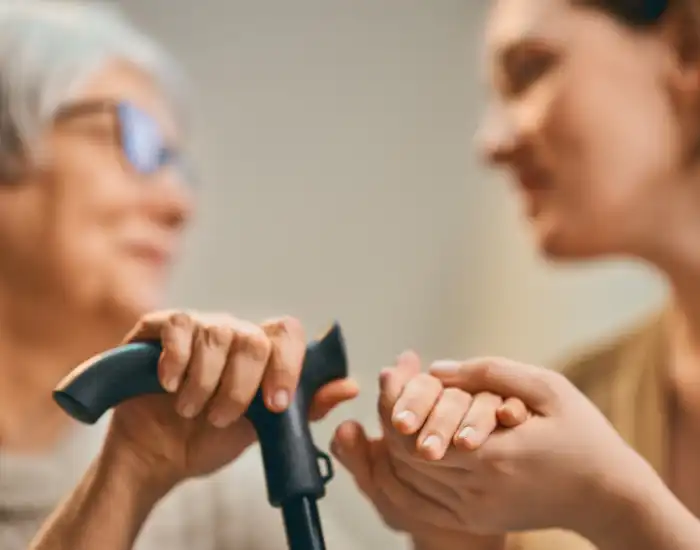
For many seniors, staying in their own home represents comfort, independence, and a sense of familiarity. However, as people age, changes in balance, strength, vision, and mobility can increase the risk of falls. A simple trip or loss of balance can sometimes lead to injuries that affect confidence and the ability to complete daily activities.
This is why fall prevention for seniors is an important part of maintaining safety and quality of life at home.
Families often ask, “How can I help my elderly loved one prevent falls at home?”
The answer involves more than removing hazards. Effective fall prevention includes creating a safer living environment, improving strength and balance, reviewing medications, using appropriate mobility support, and providing the right level of assistance when needed.
With thoughtful planning and professional guidance, many seniors can continue living safely while maintaining their independence.
Table of Contents
- Why Falls Are Common Among Seniors
- Why Fall Prevention Matters for Older Adults
- Home Safety Modifications to Prevent Falls
- Mobility Aids That Improve Senior Safety
- Balance Exercises for Seniors
- How Medications Can Increase Fall Risk
- Vision and Hearing Considerations for Fall Prevention
- How Caregivers Help Prevent Senior Falls
- When Seniors Need Professional Fall Prevention Support
- How Aleris Home Health Supports Senior Safety
- Frequently Asked Questions About Fall Prevention
Important Note
Falls are not always a normal part of aging. Many falls can be reduced through early planning, safer home environments, proper exercise, and appropriate healthcare support. Understanding the risks early can help seniors protect their independence and avoid preventable complications.
Why Falls Are Common Among Seniors
Falls become more common as people age because several physical and environmental factors can affect stability and movement.
Aging does not automatically mean someone will lose independence. However, certain changes can make everyday activities more challenging.
Common reasons seniors experience falls include:
- Reduced muscle strength
- Changes in balance and coordination
- Joint stiffness or pain
- Vision changes
- Medication side effects
- Slower reaction time
- Unsafe home environments
For example, a senior who once moved easily around the house may begin experiencing difficulty standing from a chair, walking on uneven surfaces, or navigating stairs.
These small changes can gradually increase fall risk if they are not addressed.
Another important factor is confidence. After experiencing a fall or near-fall, some seniors become afraid of moving around. This fear can lead to reduced activity, which may cause further weakness and increase the chance of future falls.
Fall prevention focuses on breaking this cycle by helping seniors stay active, safe, and confident.
Why Fall Prevention Matters for Older Adults
Preventing falls is about protecting more than physical safety. Falls can affect a senior’s independence, emotional well-being, and overall lifestyle.
A fall may result in:
- Bone fractures
- Reduced mobility
- Long recovery periods
- Fear of walking independently
- Need for additional care
Even when a fall does not cause serious injury, the emotional impact can be significant. Many older adults become less active because they worry about falling again.
Maintaining movement is important for healthy aging. Safe activity supports muscle strength, balance, confidence, and daily function.
This is why preventing falls in elderly adults requires a complete approach that combines home safety, physical wellness, and personalized support.
Home Safety Modifications to Prevent Falls
One of the most effective ways to reduce fall risk is making the home environment safer.
Many household falls happen because of hazards that are easy to overlook. A small change in the home can make a significant difference for an older adult.
Improve Lighting Throughout the Home
Poor lighting can make it difficult for seniors to see obstacles, changes in flooring, or steps.
Families should consider:
- Adding brighter lighting in hallways
- Installing night lights in bedrooms and bathrooms
- Keeping light switches easily accessible
Good visibility helps seniors move around more confidently, especially during nighttime.
Remove Tripping Hazards
Many falls occur because of everyday objects that create unsafe walking areas.
Potential hazards include:
- Loose rugs
- Electrical cords
- Cluttered pathways
- Unstable furniture placement
Keeping frequently used walking areas clear allows seniors to move more safely.
Install Bathroom Safety Equipment
The bathroom is one of the most common areas where falls occur because surfaces can become slippery.
Helpful safety improvements may include:
- Grab bars near showers and toilets
- Non-slip mats
- Shower chairs when needed
- Raised toilet seats for some individuals
These modifications can help seniors maintain independence while reducing unnecessary risks.
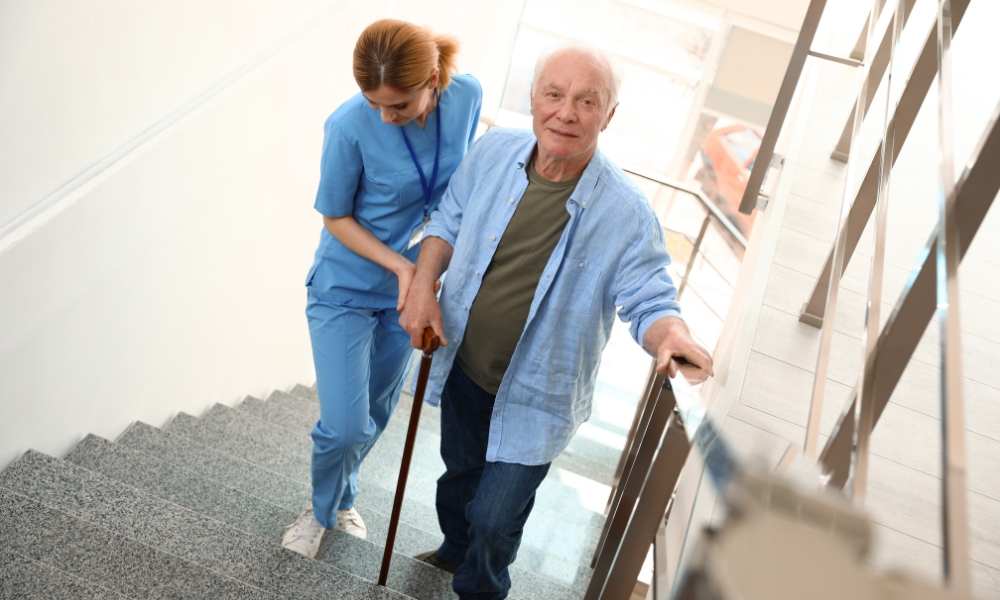
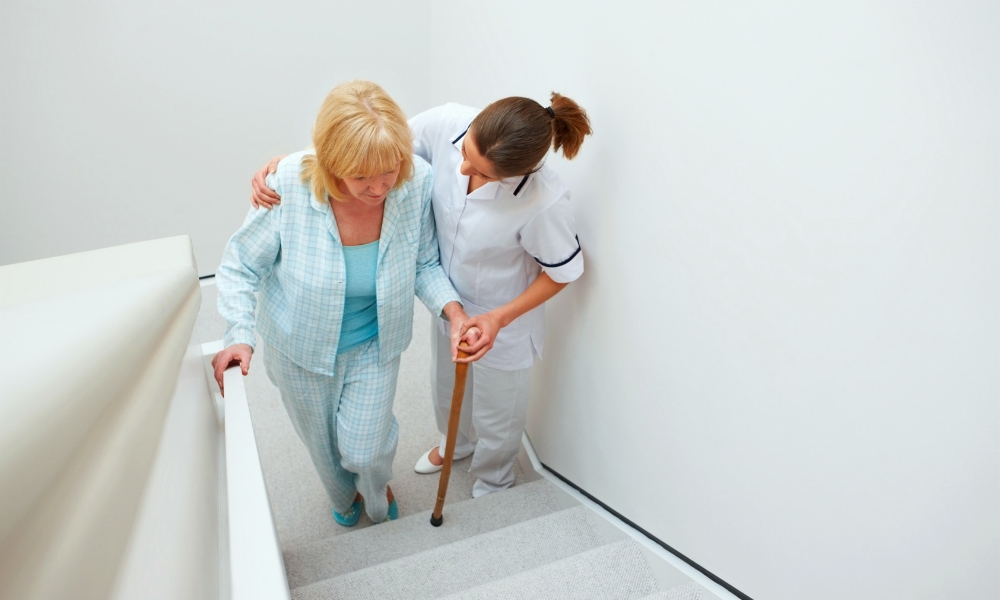
Improve Stair Safety
Stairs can become challenging when balance or strength changes.
Safety improvements may include:
- Installing secure handrails
- Adding better lighting
- Keeping stairs free of objects
For seniors with significant mobility challenges, limiting unnecessary stair use may also be beneficial.
Mobility Aids That Improve Senior Safety
Mobility aids can provide additional stability and confidence for seniors who have difficulty walking independently.
Some older adults avoid using mobility devices because they feel it represents a loss of independence. However, the right mobility aid can actually help seniors remain active and participate in daily life safely.
Common mobility aids include:
- Canes
- Walkers
- Rollators
- Wheelchairs for certain situations
The most important factor is choosing the right device and learning how to use it correctly.
An improperly adjusted walker or cane may not provide the intended support and could increase risk.
A healthcare professional, such as a physical therapist, can evaluate walking patterns, strength, and balance to recommend appropriate support.
Seniors who need help improving mobility may benefit from physical therapy for balance and mobility to strengthen movement skills and improve confidence.
Exercises for Seniors
Balance naturally changes with age, but regular movement can help seniors maintain strength and stability.
Balance exercises should always match an individual’s ability level. Seniors with health conditions or previous falls should discuss exercise plans with a healthcare professional.
Examples of balance-focused activities may include:
Standing Balance Practice
Simple exercises that involve standing safely while holding a stable surface can help improve balance awareness.
Strength Training
Building leg and core strength can make activities such as standing, walking, and climbing steps easier.
Walking Programs
Safe walking routines can support endurance and confidence.
Regular movement helps seniors maintain function, but safety should always come first.
How Medications Can Increase Fall Risk in Seniors
Medication management is an often-overlooked part of fall prevention. Many seniors take multiple medications to manage chronic health conditions, and some medicines may affect balance, alertness, blood pressure, or coordination.
A medication that is helpful for treating one health concern may unintentionally increase fall risk if it causes side effects such as dizziness, drowsiness, confusion, or sudden changes in blood pressure.
Common types of medications that may contribute to fall risk include:
- Blood pressure medications that may cause dizziness when standing
- Sleep medications that may affect alertness
- Pain medications that may cause drowsiness
- Certain anxiety or depression medications
- Medications that affect balance or coordination
This does not mean seniors should stop taking prescribed medications. Instead, medication safety requires regular communication with healthcare providers.
Families should encourage seniors to:
- Keep an updated medication list
- Take medications exactly as prescribed
- Report new dizziness or unusual symptoms
- Review medications regularly with their physician
For seniors who need additional assistance managing medications safely, professional support such as safe medication management at home can help reduce confusion and improve daily health routines.
A trained healthcare professional can monitor medication schedules, identify concerns, and communicate important changes with the medical team.
Vision and Hearing Considerations for Fall Prevention
Vision plays a major role in balance and movement. Seniors rely on their eyesight to recognize obstacles, judge distances, and safely navigate their surroundings.
Age-related vision changes can increase fall risk, especially when combined with other challenges such as weakness or mobility limitations.
Common vision-related factors that may contribute to falls include:
- Difficulty seeing in low light
- Cataracts
- Changes in depth perception
- Need for updated prescription glasses
Regular eye examinations can help identify vision problems early and ensure seniors have appropriate corrective support.
Hearing changes may also affect safety. Difficulty hearing alarms, instructions, or environmental sounds can make certain situations more challenging.
Maintaining both vision and hearing health supports better awareness and confidence during daily activities.
How Caregivers Help Prevent Senior Falls
Family members and caregivers play an important role in creating a safer environment for older adults.
However, caregiving responsibilities can become overwhelming, especially when a loved one needs assistance with mobility, medications, personal care, and daily activities.
Important Note
Not every balance issue means a serious health problem, and not every senior who experiences difficulty walking needs constant supervision. However, sudden changes in mobility, repeated falls, confusion, or increasing difficulty with daily activities should be evaluated by a healthcare professional rather than ignored or managed alone.
Caregivers can support fall prevention by:
- Keeping walkways clear
- Encouraging safe physical activity
- Helping seniors follow healthcare recommendations
- Observing changes in mobility or behavior
- Supporting regular medical appointments
One challenge many families face is knowing when occasional assistance is no longer enough.
A senior may appear independent but struggle with tasks such as bathing, preparing meals, moving safely around the home, or remembering medications.
In these situations, in-home senior care services can provide personalized assistance while allowing older adults to remain comfortable in familiar surroundings.
Signs a Senior May Have an Increased Fall Risk
Recognizing early warning signs can help families take action before a serious fall occurs.
Some common signs that a senior may need additional fall prevention support include:
- Holding onto furniture while walking
- Avoiding certain rooms because movement feels difficult
- Difficulty standing from a chair
- Frequent dizziness or weakness
- Recent falls or near-falls
- Changes in walking pattern
- Fear of moving independently
These changes do not mean a senior has lost independence. They simply indicate that additional support or adjustments may improve safety.
Early intervention can help seniors continue participating in the activities they enjoy while reducing unnecessary risks.
When Seniors Need Professional Fall Prevention Support
Some seniors can improve safety with simple home changes and lifestyle adjustments. Others may benefit from professional healthcare support tailored to their specific needs.
Professional support may be helpful when a senior:
- Has experienced multiple falls
- Recently returned home after hospitalization
- Has difficulty managing chronic conditions
- Needs help with mobility training
- Requires assistance with daily activities
A healthcare team can evaluate mobility, strength, safety concerns, and overall health to create a personalized plan.
For seniors recovering from illness, injury, or a decline in physical function, in-home rehabilitation services may help restore strength, improve movement, and support safer daily living.
Exercise Programs That Support Fall Prevention
Regular physical activity is one of the most effective ways to support balance and mobility as people age.
The goal is not intense exercise. Instead, seniors benefit from safe, consistent movement designed around their abilities.
Helpful exercise approaches may include:
Strength Training
Strong leg muscles help seniors perform important movements such as standing up, climbing steps, and maintaining balance while walking.
Flexibility Exercises
Gentle stretching can support joint movement and reduce stiffness that may affect mobility.
Balance Training
Balance-focused exercises help seniors improve body awareness and stability.
Walking Activities
Walking programs can improve endurance and confidence when performed safely.
Before starting a new exercise routine, seniors with chronic conditions, previous injuries, or mobility concerns should discuss their plans with a healthcare provider.
A personalized approach helps ensure exercise supports health instead of creating additional risks.
How Home Care Supports Fall Prevention for Seniors
Many families want their loved ones to remain at home but worry about safety, especially when mobility changes begin affecting daily life.
Home care support can help bridge the gap between complete independence and needing more structured assistance.
Depending on individual needs, support may include:
- Assistance with daily routines
- Safety monitoring
- Mobility support
- Medication reminders
- Help with personal care activities
For seniors who require more consistent assistance, private duty care support for seniors may provide additional help while allowing them to remain in their preferred home environment.
The right level of support can help prevent accidents, improve confidence, and reduce stress for family caregivers.
How Chronic Health Conditions Affect Fall Risk
Many seniors manage chronic health conditions that may influence balance, strength, or energy levels.
Conditions that may increase fall risk include:
- Arthritis
- Diabetes
- Stroke-related weakness
- Heart conditions
- Neurological disorders
For example, diabetes may affect sensation in the feet, while stroke recovery may involve changes in strength and coordination.
Managing these conditions effectively is an important part of protecting mobility and preventing falls.
Healthcare professionals can help seniors understand how their medical conditions affect safety and what steps can reduce risks.
How Aleris Home Health Supports Senior Safety and Fall Prevention
Preventing falls often requires more than a single solution. Seniors may need a combination of home safety improvements, mobility support, health monitoring, and rehabilitation services to stay safe and independent.
At Aleris Home Health, personalized care focuses on helping seniors maintain their comfort, confidence, and ability to live safely at home.
Our healthcare professionals understand that every senior has different needs. Some older adults may need assistance after an illness or hospitalization, while others may need ongoing support managing chronic conditions or mobility challenges.
Through customized home healthcare services, seniors can receive support designed around their daily routines, medical needs, and personal goals.
Skilled Nursing Support for Senior Safety
For seniors with medical conditions that affect balance, strength, or overall health, skilled nursing services can provide important monitoring and guidance.
A home health nurse may help with:
- Monitoring health changes
- Medication management support
- Checking symptoms related to chronic conditions
- Communicating concerns with physicians
- Educating seniors and families about safety practices
Early identification of health changes can help prevent complications that may contribute to falls.
Physical Therapy for Balance and Mobility Improvement
Many seniors experience falls because of reduced strength, balance difficulties, or changes in walking ability.
Physical therapy can help address these challenges through personalized exercises that focus on improving:
- Muscle strength
- Balance control
- Walking ability
- Coordination
- Confidence with movement
Receiving therapy at home can be especially helpful for seniors who have difficulty traveling to outpatient appointments.
A therapist can evaluate the home environment, identify movement challenges, and create exercises that fit naturally into the senior’s daily routine.
When Should Families Worry About Senior Falls?
While occasional balance changes may happen with aging, certain warning signs should not be ignored.
Families should consider speaking with a healthcare professional if a senior experiences:
- Repeated falls
- A sudden change in walking ability
- New dizziness or confusion
- Difficulty completing normal daily activities
- Fear of moving around the home
- Unexplained weakness
A fall can sometimes be a sign of an underlying health concern. Conditions involving blood pressure, medications, infections, neurological changes, or muscle weakness may contribute to increased risk.
Early evaluation allows healthcare providers to identify possible causes and recommend appropriate solutions.
What Should You Do After a Senior Falls?
After a fall, families often feel unsure about what steps to take next. The first priority is making sure the senior is safe and checking for signs of injury.
After a fall, consider:
- Checking whether the person is injured
- Helping them remain calm
- Avoiding rushing them to stand immediately
- Contacting medical support if there are concerning symptoms
Medical attention may be needed if a senior experiences pain, difficulty moving, confusion, dizziness, or signs of a serious injury.
Even if no major injury occurs, repeated falls should be discussed with a healthcare provider to identify prevention strategies.
Creating a Personalized Fall Prevention Plan
Every senior’s fall risk is different. A personalized prevention plan considers medical history, mobility level, home environment, medications, and lifestyle.
A strong fall prevention plan may include:
- A home safety assessment
- Regular vision and health checkups
- Strength and balance exercises
- Medication reviews
- Appropriate mobility equipment
- Support from caregivers or healthcare professionals
The goal is not to limit independence. Instead, the goal is to create the safest environment possible so seniors can continue enjoying daily activities with confidence.
Fall Prevention Helps Seniors Maintain Independence
Many families worry that discussing fall prevention means their loved one will lose freedom. In reality, prevention strategies often help seniors maintain independence longer.
When seniors have the right support, they may feel more confident walking, participating in hobbies, spending time with family, and completing daily routines.
A safer home, stronger mobility, and proper healthcare support can create a balance between independence and protection.
Fall prevention is not about restricting movement. It is about making movement safer.
Frequently Asked Questions About Fall Prevention for Seniors
What are the best fall prevention tips for seniors living at home?
The best fall prevention strategies include removing home hazards, improving lighting, using appropriate mobility aids, exercising regularly, reviewing medications, and addressing health conditions that affect balance.
How can I prevent my elderly parent from falling at home?
Families can help by making home modifications, encouraging safe exercise, scheduling regular healthcare visits, monitoring medications, and arranging additional support when daily activities become challenging.
Are balance exercises helpful for preventing falls in seniors?
Yes. Balance exercises combined with strength training can help many seniors improve stability, confidence, and mobility. Exercises should be appropriate for the individual’s health and ability level.
When should a senior use a walker or cane?
A senior may benefit from a mobility aid when balance problems, weakness, or walking difficulties make daily movement unsafe. A healthcare professional can help determine the most appropriate device and fit.
Can home healthcare help prevent falls in elderly adults?
Yes. Home healthcare professionals can help monitor health conditions, provide therapy support, educate families, and create personalized strategies to improve safety at home.
Does Medicare cover home health services for fall prevention?
Medicare may cover certain home health services when eligibility requirements are met, including medically necessary skilled nursing or therapy services ordered by a physician.
Coverage depends on individual circumstances, medical needs, and Medicare requirements.
Final Thoughts: Helping Seniors Stay Safe and Independent at Home
Falls are one of the most common safety concerns among older adults, but they are not always unavoidable. With the right planning, many seniors can reduce their risk and continue living comfortably in their own homes.
Simple changes such as improving lighting, removing hazards, strengthening muscles, reviewing medications, and addressing mobility concerns can make a meaningful difference.
For families, recognizing early warning signs and seeking support when needed can help prevent injuries while preserving a senior’s independence.
Aleris Home Health provides compassionate healthcare support designed around each individual’s needs. Whether a senior requires skilled nursing, therapy services, or personalized assistance, professional care can help create a safer path toward healthy aging.
Medical Disclaimer
This article is for informational purposes only and does not replace professional medical advice. Seniors experiencing balance problems, repeated falls, dizziness, or changes in mobility should consult a qualified healthcare provider for proper evaluation and personalized recommendations.