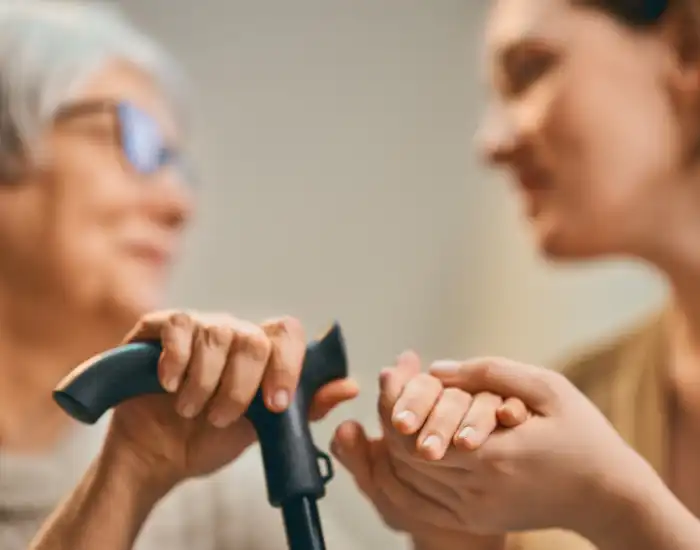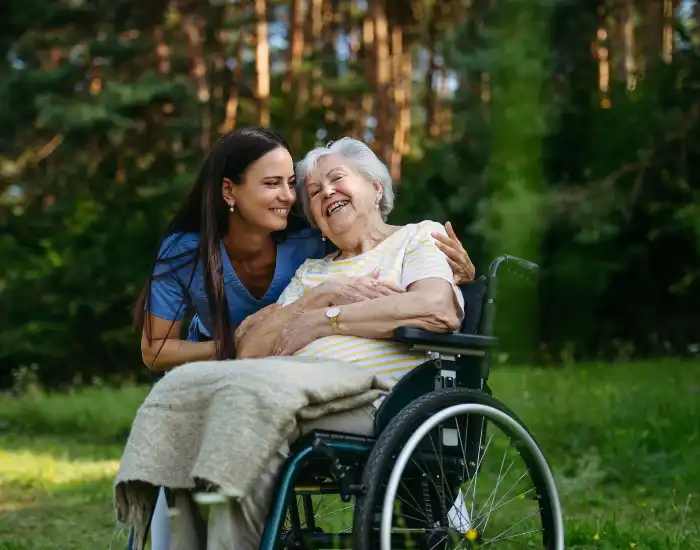
Aging brings many positive experiences, but it can also introduce challenges that make everyday activities more difficult. Tasks that once felt simple, such as preparing meals, getting dressed, managing medications, or moving safely around the home, may become more challenging because of changes in strength, balance, coordination, or health conditions.
This is where occupational therapy for seniors can make a meaningful difference.
Many people hear the word “occupation” and assume occupational therapy is related only to jobs or employment. However, occupational therapy focuses on the activities that give everyday life purpose and independence. For seniors, this means helping them safely perform daily tasks, maintain confidence, and continue participating in activities that matter most to them.
Families often ask, “How can occupational therapy help an elderly person stay independent at home?”
The answer involves personalized strategies that improve daily functioning, adapt the home environment, recommend helpful equipment, and support recovery after illness, injury, or medical changes.
Table of Contents
- What Is Occupational Therapy for Seniors?
- How Occupational Therapy Helps Seniors Stay Independent
- Occupational Therapy and Activities of Daily Living (ADLs)
- How Occupational Therapy Improves Home Safety
- Adaptive Equipment That Supports Senior Independence
- Occupational Therapy After Surgery, Illness, or Injury
- Health Conditions That May Benefit From Occupational Therapy
- Benefits of Occupational Therapy at Home
- Signs a Senior May Need Occupational Therapy
- How Aleris Home Health Supports Senior Rehabilitation
- Frequently Asked Questions
Important Note
Difficulty completing daily activities does not mean a senior has to give up independence. Occupational therapy helps older adults find safer and easier ways to complete important tasks while maintaining dignity, confidence, and quality of life.
What Is Occupational Therapy for Seniors?
Occupational therapy for seniors is a healthcare service designed to help older adults improve their ability to perform everyday activities safely and independently.
An occupational therapist evaluates how a senior moves, thinks, interacts with their environment, and completes daily routines. Based on this evaluation, the therapist creates a personalized plan focused on improving function and reducing challenges.
Unlike some forms of therapy that focus mainly on physical strength, occupational therapy looks at the complete picture of daily living.
This may include helping seniors with:
- Getting dressed and maintaining personal hygiene
- Preparing meals safely
- Managing household activities
- Using assistive devices
- Improving coordination
- Making the home safer
- Returning to meaningful hobbies and routines
The goal is not simply to complete exercises. The goal is to help seniors participate in life.
For example, an older adult recovering after a stroke may have difficulty using one hand. An occupational therapist may teach techniques to complete dressing, eating, or grooming tasks using adaptive strategies.
Similarly, a senior experiencing balance changes may receive recommendations for safer ways to move around the home and reduce fall risks.
Occupational therapy focuses on practical solutions that fit the individual’s lifestyle.
How Occupational Therapy Helps Seniors Stay Independent
Maintaining independence is one of the most important goals for many older adults. Independence does not necessarily mean doing everything without help. It means having the ability, confidence, and support needed to participate in daily life.
Occupational therapy helps seniors maintain independence by identifying challenges and creating realistic solutions.
Improving Daily Function
As seniors age, physical changes may affect their ability to complete familiar tasks.
Occupational therapists work with seniors to improve skills related to:
- Balance and coordination
- Fine motor movements
- Strength needed for daily activities
- Problem-solving skills
- Safety awareness
A therapist may break a difficult activity into smaller steps, teach alternative techniques, or recommend tools that make the task easier.
Building Confidence
Many seniors lose confidence after experiencing a fall, hospitalization, surgery, or health change.
Fear of making a mistake or getting injured can sometimes cause older adults to avoid activities they enjoy.
Occupational therapy helps rebuild confidence by allowing seniors to practice tasks safely and gradually improve their abilities.
Supporting Family Caregivers
Family members often want to help their loved ones but may not know the safest ways to provide assistance.
An occupational therapist can educate caregivers on:
- Safe transfer techniques
- Home safety strategies
- Appropriate assistance levels
- Ways to encourage independence
This helps families provide better support without accidentally creating dependence.
Occupational Therapy and Activities of Daily Living (ADLs)
One of the main areas addressed in occupational therapy is improving activities of daily living (ADLs).
ADLs are essential tasks people complete every day to care for themselves and maintain independence.
These activities commonly include:
- Bathing
- Dressing
- Eating
- Toileting
- Personal grooming
- Moving safely around the home
When a senior struggles with ADLs, it can affect confidence and overall quality of life.
An occupational therapist evaluates which parts of a task are difficult and develops strategies to make them safer.
For example, if a senior has trouble putting on clothing because of limited movement, therapy may focus on:
- Improving flexibility
- Teaching energy-saving techniques
- Using adaptive clothing tools
- Changing the order of steps
The purpose is not to take over the activity but to help the senior participate as much as possible.
This approach supports long-term independence and encourages seniors to remain active in their own care.
[IMAGE: Occupational therapist helping an elderly senior practice daily living activities at home with adaptive equipment]
How Occupational Therapy Improves Home Safety
The home environment plays a major role in senior independence. A home that was once comfortable may become challenging if mobility, vision, or balance changes occur.
Occupational therapists often perform home safety evaluations to identify potential hazards and recommend improvements.
Common safety concerns include:
- Loose rugs or cluttered pathways
- Poor lighting
- Bathroom hazards
- Difficult-to-reach items
- Unsafe furniture placement
A therapist may recommend changes such as:
- Installing grab bars
- Improving lighting
- Rearranging furniture
- Adding shower equipment
- Creating easier access to frequently used items
These adjustments can help seniors move through their homes more safely while reducing unnecessary risks.
Home safety is especially important for seniors recovering from surgery, illness, or neurological conditions because their abilities may temporarily change.
Professional occupational therapy services for seniors can provide personalized recommendations based on the senior’s actual home environment and daily needs.
Adaptive Equipment That Supports Senior Independence
One of the most valuable parts of occupational therapy is helping seniors identify tools and equipment that make everyday activities safer and easier.
Adaptive equipment does not mean a senior is losing independence. In many cases, these tools help older adults continue doing activities they enjoy by reducing physical challenges and improving safety.
An occupational therapist evaluates the senior’s specific needs before recommending any equipment. The goal is always to find practical solutions that fit the person’s lifestyle, home environment, and abilities.
Common adaptive equipment used by seniors may include:
- Grabbers or reachers for picking up objects
- Shower chairs and bathroom safety equipment
- Dressing aids for clothing management
- Special utensils for easier eating
- Raised toilet seats
- Mobility support devices
Bathroom Equipment for Safer Daily Routines
The bathroom is one of the most common areas where seniors experience difficulty because activities often involve standing, bending, and moving on slippery surfaces.
Occupational therapists may recommend safety solutions such as:
- Handheld shower attachments
- Non-slip surfaces
- Grab bars near showers and toilets
- Shower benches
These adjustments can allow seniors to complete personal care routines with more confidence while reducing unnecessary risks.
Kitchen Adaptations for Independent Living
Preparing meals is an important part of independence. However, arthritis, weakness, balance concerns, or limited hand movement can make cooking more difficult.
An occupational therapist may suggest ways to make the kitchen safer, including:
- Organizing frequently used items within easy reach
- Using lightweight kitchen tools
- Improving lighting around preparation areas
- Creating safer meal preparation routines
The focus is always on helping seniors continue participating in meaningful activities rather than removing those activities from their lives.
Occupational Therapy After Surgery, Illness, or Injury
Many seniors require occupational therapy after a major health event that affects their ability to complete daily tasks.
After surgery, hospitalization, stroke, or injury, seniors may experience temporary or permanent changes in strength, coordination, memory, or mobility.
Occupational therapy provides recovery support by helping seniors safely return to their normal routines.
Examples of situations where occupational therapy may be beneficial include:
- Recovery after joint replacement surgery
- Stroke rehabilitation
- Recovery after falls
- Neurological conditions
- Chronic illness-related weakness
Occupational Therapy After a Stroke
A stroke can affect many areas of daily life, including movement, coordination, communication, and problem-solving abilities.
Occupational therapists help stroke survivors regain skills needed for everyday independence.
Therapy may focus on:
- Improving arm and hand function
- Learning safer ways to complete daily activities
- Managing changes in coordination
- Adapting the home environment
The recovery process is different for every person. Some seniors make improvements quickly, while others require ongoing rehabilitation support.
The goal is to maximize abilities and help each person achieve the highest possible level of independence.
Recovery After Surgery
After surgery, seniors may temporarily struggle with movement, balance, or completing daily activities.
Occupational therapy can help patients safely transition back into their routines by teaching strategies for:
- Safe movement techniques
- Energy conservation
- Self-care activities
- Using adaptive equipment
For seniors recovering after medical procedures, combining therapy with other healthcare services can support a smoother recovery process.
Home rehabilitation services allow many seniors to receive recovery support in the comfort of their own homes while practicing skills they use every day.
Health Conditions That May Benefit From Occupational Therapy
Occupational therapy can support seniors living with many different health conditions. The purpose is not only treating a diagnosis but helping the individual continue participating in meaningful daily activities.
Conditions that may benefit from occupational therapy include:
Arthritis
Arthritis can cause joint pain, stiffness, and reduced movement. Occupational therapy can teach seniors ways to protect joints, conserve energy, and complete activities with less discomfort.
Stroke
Stroke survivors may experience challenges with movement, coordination, memory, and daily routines. Occupational therapy helps rebuild functional skills and confidence.
Parkinson’s Disease
Parkinson’s disease can affect balance, movement control, and coordination. Occupational therapists help seniors adapt activities and improve safety.
Dementia and Cognitive Changes
For seniors experiencing memory changes, occupational therapy can focus on creating safer routines, improving organization, and reducing confusion in daily activities.
Balance and Mobility Problems
Seniors who experience weakness or difficulty walking may benefit from strategies that improve safety and independence.
Occupational therapy is highly personalized because two seniors with the same medical condition may have completely different challenges in daily life.
Important Note
Needing help with certain activities does not mean a senior has failed or lost independence. Occupational therapy focuses on finding safer, smarter ways to complete daily tasks while respecting each person’s abilities, preferences, and goals.
Benefits of Occupational Therapy at Home
Receiving occupational therapy at home provides unique advantages because therapy happens in the environment where seniors actually complete their daily activities.
A clinic can provide valuable rehabilitation, but the home setting allows therapists to see real-life challenges that may not appear elsewhere.
For example, a therapist may notice:
- A difficult staircase layout
- A bathroom safety concern
- Challenges reaching kitchen items
- Difficulty moving between rooms
This allows recommendations to be more practical and personalized.
Comfort and Convenience
Traveling to appointments can be difficult for seniors with mobility limitations, fatigue, or transportation challenges.
Home-based therapy removes many barriers and allows seniors to focus their energy on recovery.
Real-Life Skill Development
Because therapy happens in the senior’s own environment, exercises and strategies are directly connected to daily routines.
A therapist can practice tasks such as:
- Moving safely from bed to chair
- Preparing simple meals
- Managing personal care routines
- Navigating the home safely
This practical approach helps seniors apply what they learn immediately.
Supporting Long-Term Senior Independence
The purpose of occupational therapy is not only improving abilities today but helping seniors maintain independence in the future.
Successful therapy focuses on realistic goals that matter to the individual.
For one senior, the goal may be safely preparing breakfast independently. For another, it may be returning to a favorite hobby or being able to move around the home with confidence.
Occupational therapists work together with seniors and families to create achievable goals based on personal priorities.
This person-centered approach helps seniors feel involved and motivated throughout their rehabilitation journey.
With the right strategies, many older adults can continue participating in the activities that bring meaning and enjoyment to their lives.
Signs a Senior May Need Occupational Therapy
Many families wonder when it is the right time to consider occupational therapy for seniors. Some people wait until a major health event occurs, but occupational therapy can also be helpful when small challenges begin appearing in everyday life.
Early support can help seniors maintain independence, improve safety, and prevent minor difficulties from becoming larger problems.
Some common signs that a senior may benefit from occupational therapy include:
Difficulty Completing Daily Activities
If a senior begins struggling with tasks they previously managed independently, it may be a sign that additional support could help.
Examples include:
- Difficulty dressing without assistance
- Problems preparing meals safely
- Trouble managing personal hygiene
- Needing more help with household routines
An occupational therapist can identify what is causing the difficulty and create strategies to improve participation.
Increased Fear of Falling
Many seniors reduce their activities because they worry about falling. While being cautious is important, avoiding movement completely can lead to decreased strength and confidence.
Occupational therapy helps seniors understand their limitations while learning safer ways to move around their environment.
A therapist may evaluate:
- Walking patterns
- Home hazards
- Balance challenges
- Daily routines that increase fall risk
Changes After Hospitalization
After a hospital stay, seniors may return home feeling weaker or less confident than before.
Even if the medical issue has improved, they may need help rebuilding daily skills.
Occupational therapy after hospitalization can support:
- Safe movement at home
- Self-care activities
- Medication routines
- Energy management
Difficulty Managing Chronic Conditions
Chronic conditions such as arthritis, diabetes, neurological disorders, or heart conditions can affect how seniors complete daily tasks.
Occupational therapists help seniors adapt their routines so they can continue managing their health while maintaining independence.
Caregiver Concerns
Family members are often the first to notice changes.
If caregivers find themselves providing more assistance than before or worrying about their loved one’s safety, an occupational therapy evaluation may provide helpful guidance.
Therapy can also teach caregivers how to provide appropriate support without limiting the senior’s independence.
What Happens During an Occupational Therapy Evaluation?
Many seniors and families feel unsure about what to expect from occupational therapy. The process usually begins with a detailed evaluation focused on understanding the person’s daily life, challenges, and goals.
The occupational therapist may review:
- Current medical conditions
- Mobility and coordination
- Ability to complete daily activities
- Home environment
- Safety concerns
- Personal goals
The therapist does not simply look at what a senior cannot do. Instead, they identify strengths and find ways to build upon them.
Creating a Personalized Therapy Plan
Every senior has different needs, which means occupational therapy plans are individualized.
A therapy plan may include:
- Functional exercises
- Daily activity training
- Home safety recommendations
- Adaptive equipment education
- Caregiver guidance
The plan may change over time as the senior improves or as their needs change.
This flexible approach ensures therapy remains focused on meaningful outcomes rather than a one-size-fits-all routine.
Occupational Therapy vs Physical Therapy for Seniors
Families often ask about the difference between occupational therapy and physical therapy because both services support senior recovery.
Although they work together, they have different primary focuses.
Physical Therapy Focus
Physical therapy generally focuses on improving movement, strength, balance, walking ability, and physical function.
A physical therapist may help seniors improve:
- Walking ability
- Muscle strength
- Joint movement
- Balance
- Physical endurance
Occupational Therapy Focus
Occupational therapy focuses on helping seniors use those abilities in everyday life.
An occupational therapist helps with:
- Dressing
- Bathing
- Cooking
- Household activities
- Safety strategies
- Using adaptive tools
For example, physical therapy may help a senior improve leg strength after surgery, while occupational therapy may help that senior safely return to showering, dressing, and moving around the home.
Many seniors benefit from both services as part of a complete rehabilitation plan.
Families looking for comprehensive recovery support may benefit from combining occupational therapy with physical therapy for mobility and strength based on their loved one’s needs.
How Families Can Support Occupational Therapy Success
Family involvement can play an important role in helping seniors achieve their therapy goals.
However, support should encourage independence rather than replacing the senior’s abilities.
Helpful ways families can participate include:
- Encouraging practice of therapy techniques
- Keeping the home environment safe
- Being patient during recovery
- Celebrating small improvements
- Communicating concerns with healthcare providers
Sometimes family members naturally want to complete tasks for their loved one because it feels faster or safer. However, allowing seniors to participate as much as possible helps maintain confidence and skills.
Occupational therapy teaches families how to find the right balance between assistance and independence.
[IMAGE: Occupational therapist performing a home safety assessment with an elderly patient and caregiver]
How Aleris Home Health Supports Senior Rehabilitation
Seniors often feel most comfortable recovering in familiar surroundings. Receiving care at home allows rehabilitation strategies to become part of everyday life rather than something separate from daily routines.
Aleris Home Health provides compassionate healthcare support designed around each patient’s unique needs. Our team focuses on helping seniors maintain safety, independence, and quality of life through personalized services.
Through professional rehabilitation and home-based care options, seniors can receive support that fits their lifestyle and health goals.
Whether a senior needs help after illness, surgery, mobility changes, or age-related challenges, personalized care can make daily life easier and safer.
Families seeking additional support can explore in-home senior care support and other services designed to help older adults remain comfortable at home.
For seniors who need assistance with daily routines, home care assistance for daily activities may provide valuable support while preserving independence.
Frequently Asked Questions About Occupational Therapy for Seniors
What does occupational therapy do for elderly patients?
Occupational therapy helps elderly patients improve their ability to complete daily activities safely and independently. It focuses on tasks such as dressing, bathing, cooking, mobility, and home safety.
Can occupational therapy be done at home?
Yes. Occupational therapy at home allows therapists to evaluate the actual living environment and provide practical recommendations for daily routines, safety improvements, and adaptive equipment.
What conditions require occupational therapy for seniors?
Seniors recovering from strokes, surgeries, injuries, arthritis, neurological conditions, or mobility challenges may benefit from occupational therapy.
How long does a senior need occupational therapy?
The length of therapy depends on the senior’s condition, goals, and progress. Some people need short-term support after an injury, while others benefit from longer rehabilitation programs.
Does occupational therapy help prevent falls in seniors?
Yes. Occupational therapists can identify fall risks, recommend home safety improvements, teach safer movement strategies, and suggest equipment that supports balance and independence.
Final Thoughts: Helping Seniors Live Independently With Occupational Therapy
Aging does not mean losing independence. With the right support, many seniors can continue enjoying meaningful routines, hobbies, and activities while staying safe at home.
Occupational therapy for seniors provides practical solutions that help older adults overcome daily challenges, adapt to changes, and maintain confidence in their abilities.
From improving activities of daily living to creating safer home environments, occupational therapy focuses on what matters most: helping seniors live life on their own terms.
If you notice changes in your loved one’s ability to complete everyday tasks, seeking professional guidance early can provide valuable support and improve long-term outcomes.
Medical Disclaimer
This article is for informational purposes only and does not replace professional medical advice, diagnosis, or treatment. Always consult a qualified healthcare provider for individual medical concerns and therapy recommendations.