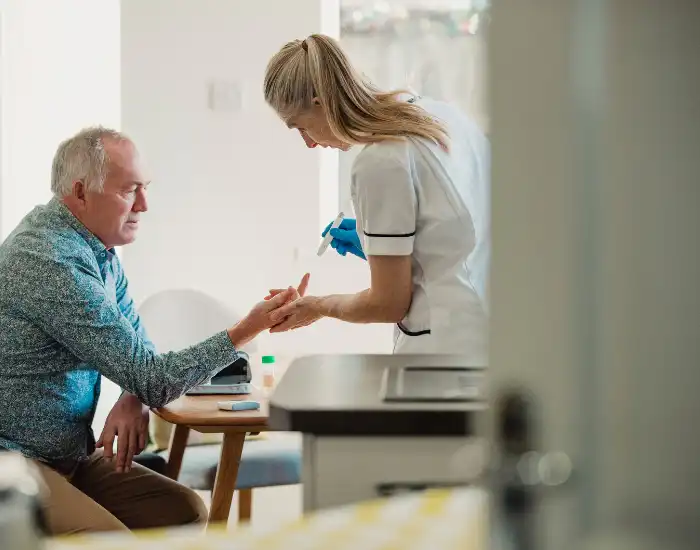

Recovering from an injury, surgery, stroke, or medical condition often requires physical therapy to rebuild strength, improve movement, and regain independence. However, many patients and families are unsure about where therapy should take place. A common question is: “Is physical therapy at home better than going to an outpatient clinic?”
The answer depends on the individual’s condition, mobility level, recovery goals, and daily challenges. Both home physical therapy and outpatient therapy can provide valuable rehabilitation support, but they offer very different experiences.
For some patients, traveling to a therapy clinic several times per week is manageable and beneficial. For others, especially those recovering after surgery, dealing with mobility limitations, or managing chronic conditions, receiving physical therapy at home can provide a safer and more comfortable path to recovery.
Understanding the differences between these two approaches can help patients and families make an informed decision about the right rehabilitation option.
Table of Contents
- What Is Physical Therapy at Home?
- What Is Outpatient Physical Therapy?
- Physical Therapy at Home vs Outpatient Therapy: Key Differences
- Benefits of Physical Therapy at Home
- Benefits of Outpatient Physical Therapy
- Convenience and Accessibility Comparison
- Recovery Outcomes: Does Home Therapy Work?
- Cost Comparison Between Home and Outpatient Therapy
- Physical Therapy After Surgery
- How to Choose the Right Therapy Option
- Frequently Asked Questions
Important Note
Choosing the right physical therapy setting can make a major difference in recovery. The best option is not always the one that takes place in a clinic — it is the one that matches the patient’s health needs, comfort level, safety concerns, and ability to participate consistently in therapy.
What Is Physical Therapy at Home?
Physical therapy at home is a rehabilitation service where a licensed physical therapist visits a patient’s home to provide personalized treatment. Instead of traveling to a clinic, patients receive therapy in the environment where they complete their everyday activities.
Home physical therapy is commonly recommended for individuals recovering from surgery, illness, injury, stroke, or conditions that make traveling difficult.
A home-based physical therapist evaluates the patient’s mobility, strength, balance, and functional abilities before creating a customized therapy plan.
Treatment may include:
- Strength-building exercises
- Balance training
- Walking and mobility exercises
- Range-of-motion activities
- Pain management techniques
- Transfer training
- Fall prevention strategies
- Home safety recommendations
One of the biggest advantages of home physical therapy is that treatment happens in the patient’s actual living space.
A therapist can observe challenges that may not appear in a clinic environment. For example, a patient may be able to walk well on a flat therapy surface but struggle with stairs, bathroom transfers, or moving safely around furniture at home.
By seeing these real-life challenges, therapists can create practical solutions that improve daily independence.
Services such as home physiotherapy services help patients receive professional rehabilitation support without leaving their homes.
What Is Outpatient Physical Therapy?
Outpatient physical therapy takes place in a dedicated rehabilitation clinic where patients travel for scheduled appointments with a physical therapist.
These clinics are designed specifically for rehabilitation and often include specialized equipment, exercise machines, treatment tables, and therapy tools that may not be available in a home setting.
Outpatient therapy is commonly used by individuals who are medically stable, physically able to travel, and able to participate in more intensive rehabilitation sessions.
During outpatient therapy, patients may receive:
- Strength training exercises
- Balance and coordination exercises
- Gait training
- Sports injury rehabilitation
- Post-surgical rehabilitation
- Mobility improvement programs
For patients who can safely attend appointments, outpatient therapy can provide a structured environment focused on progressing physical abilities.
Many people benefit from the routine of visiting a therapy clinic because it creates a dedicated space focused entirely on rehabilitation.
However, transportation, mobility challenges, fatigue, and scheduling can sometimes make outpatient therapy difficult for certain patients.
Physical Therapy at Home vs Outpatient Therapy: Key Differences
The main difference between home physical therapy and outpatient therapy is the environment where treatment occurs.
Home therapy brings rehabilitation directly to the patient, while outpatient therapy requires the patient to travel to a clinic.
The right choice depends on factors such as mobility, medical condition, recovery stage, and personal preferences.
Location and Accessibility
With home physical therapy, patients receive treatment in their own homes. This eliminates transportation challenges and makes therapy accessible for individuals who have difficulty leaving the house.
Outpatient therapy requires patients to travel to appointments. For someone recovering from major surgery or experiencing weakness, getting to and from therapy may become physically exhausting.
Personalization of Treatment
Both therapy options provide individualized care, but home therapy offers the advantage of focusing on real-life movements within the patient’s environment.
A home therapist may evaluate:
- How safely a patient walks through their home
- How they get in and out of chairs
- How they use stairs
- Whether home modifications are needed
This practical approach can help patients apply therapy skills directly to everyday life.
Equipment Availability
Outpatient clinics often have access to more specialized rehabilitation equipment.
However, home therapy focuses on helping patients regain function using movements, exercises, and tools that fit their daily lifestyle.
The goal of both approaches is the same: improving mobility, reducing limitations, and helping patients return to meaningful activities.
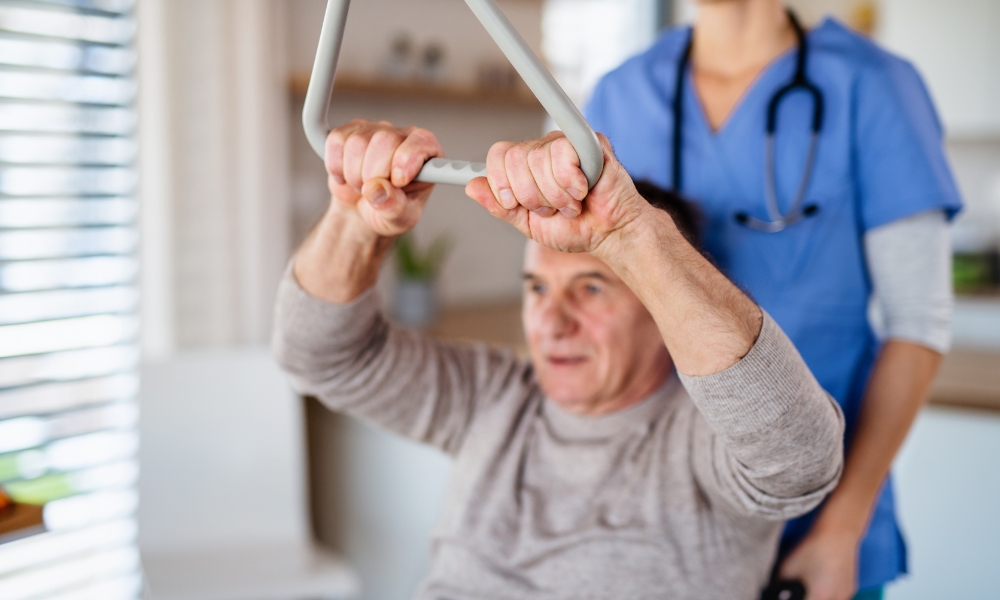
Benefits of Physical Therapy at Home
For many patients, receiving physical therapy at home offers unique advantages that support a safer and more comfortable recovery experience.
Home-based rehabilitation is especially helpful for individuals who have recently undergone surgery, experienced a stroke, suffered an injury, or have medical conditions that make traveling difficult.
One of the biggest benefits is that therapy happens in the environment where patients spend most of their time. This allows treatment to focus on practical movements that directly affect daily life.
Improved Comfort and Reduced Stress
Recovering from an injury or medical procedure can already be physically and emotionally challenging. Adding frequent travel to therapy appointments may create additional stress, especially for older adults or patients with limited mobility.
With home physical therapy, patients can receive professional care without worrying about transportation, weather conditions, or navigating unfamiliar environments.
Being in a familiar space may also help patients feel more relaxed and confident during exercises.
Better Focus on Daily Functional Activities
A major goal of physical therapy is not only improving strength but helping patients perform everyday activities safely.
In a home setting, therapists can work directly on activities such as:
- Walking safely through different areas of the home
- Getting in and out of chairs
- Moving around the bedroom and bathroom
- Climbing household stairs
- Improving balance during daily routines
This type of practical rehabilitation can help patients feel more prepared to manage life independently.
Personalized One-on-One Attention
Home physical therapy often provides a highly personalized experience because the therapist focuses on one patient during the visit.
The therapist can adjust exercises based on the patient’s energy level, pain, progress, and specific challenges.
This individualized approach is especially valuable for patients with complex medical needs who require careful monitoring during recovery.
Support for Family Members and Caregivers
Family members often play an important role in recovery, but many caregivers are unsure how to safely assist their loved ones.
Home therapists can teach family members:
- How to provide safe assistance
- How to encourage independence
- How to support exercises correctly
- How to reduce fall risks at home
This guidance helps families become active participants in the recovery process.

Benefits of Outpatient Physical Therapy
While home therapy offers many advantages, outpatient physical therapy remains an effective option for many patients.
Outpatient clinics provide a structured rehabilitation environment with access to specialized equipment and treatment spaces designed specifically for exercise and recovery.
Access to Specialized Equipment
One advantage of outpatient therapy is access to rehabilitation equipment that may not be available in a patient’s home.
Depending on the patient’s condition, therapists may use:
- Exercise machines
- Balance equipment
- Resistance training tools
- Therapy tables
- Specialized rehabilitation devices
This equipment can be useful for patients who need advanced strengthening, athletic rehabilitation, or intensive physical conditioning.
Structured Rehabilitation Environment
Some patients find motivation from attending a dedicated therapy clinic.
A clinic environment creates a clear separation between home life and rehabilitation, helping some individuals stay focused on their recovery goals.
Patients who are physically capable of traveling may benefit from the routine and structure of scheduled outpatient appointments.
Opportunities for Progressive Training
Outpatient therapy can be beneficial for patients who are ready for more advanced exercises.
For example, an athlete recovering from an injury or a patient rebuilding strength after surgery may require specialized training that is easier to provide in a fully equipped clinic.
Convenience and Accessibility: Home Therapy vs Outpatient Therapy
Convenience is one of the biggest differences between home physical therapy and outpatient therapy.
For many patients, especially seniors and individuals recovering from major health events, transportation can become a significant barrier.
Traveling to outpatient appointments may require:
- Arranging transportation
- Getting assistance entering and leaving vehicles
- Managing fatigue before and after therapy
- Planning around appointment schedules
These challenges can sometimes make it harder for patients to attend therapy consistently.
Consistency matters because rehabilitation progress often depends on regular participation.
Home physical therapy removes many of these barriers by bringing treatment directly to the patient.
This can be especially helpful for individuals recovering after:
- Joint replacement surgery
- Stroke
- Falls and injuries
- Neurological conditions
- Extended hospital stays
However, convenience should not be the only factor considered. The best therapy setting is the one that allows the patient to participate safely and effectively.
Recovery Outcomes: Does Home Physical Therapy Work?
A common question patients ask is whether home physical therapy provides the same recovery benefits as outpatient therapy.
The answer depends on the patient’s condition, therapy goals, and ability to participate consistently.
Research and clinical experience show that home-based rehabilitation can be highly effective for many patients when it is properly designed and supervised by qualified professionals.
Successful recovery depends on factors such as:
- Following the therapy plan consistently
- Completing recommended exercises
- Maintaining communication with healthcare providers
- Addressing safety concerns early
- Having realistic recovery goals
For many patients, the advantage of home therapy is that it allows rehabilitation to happen within real-life situations.
A patient may not only learn how to improve strength but also how to safely complete daily tasks in their own home.
For example, someone recovering after knee surgery may practice walking through their actual hallway, navigating their own stairs, and learning safe movement patterns in their personal environment.
These practical skills can support confidence and independence.
Important Note
Every recovery journey is different. Some patients progress quickly, while others need more time and support. Physical therapy should always be based on individual medical needs rather than comparing one person’s recovery timeline with another. A qualified therapist can help determine the safest and most effective approach.
Physical Therapy After Surgery: Home vs Outpatient Options
Therapy after surgery is often essential for restoring movement, reducing stiffness, improving strength, and preventing complications.
The best therapy setting after surgery depends on the type of procedure, the patient’s mobility, and the surgeon’s recommendations.
Many patients benefit from home physical therapy immediately after surgery because they may not yet be comfortable traveling.
Examples include patients recovering from:
- Knee replacement surgery
- Hip replacement surgery
- Spine procedures
- Abdominal surgeries
- Major injuries
During early recovery, therapists often focus on safe movement, walking, pain management strategies, and preventing complications.
As patients become stronger, some may transition to outpatient therapy for more advanced rehabilitation.
The recovery plan can change over time depending on progress and medical needs.
Post-surgery rehabilitation services can help patients receive appropriate therapy support during the important recovery period after a procedure.
Cost Comparison Between Physical Therapy at Home and Outpatient Therapy
Cost is an important consideration when deciding between physical therapy at home and outpatient therapy. However, the overall cost depends on several factors, including insurance coverage, the number of therapy sessions needed, the patient’s condition, and the type of rehabilitation services required.
Many people assume outpatient therapy is always less expensive because it takes place at a clinic, but the total cost should include more than just the therapy appointment itself.
Patients and families should also consider:
- Transportation expenses
- Time away from work or caregiving responsibilities
- Assistance needed for traveling
- Additional support required before and after appointments
For someone who needs transportation assistance or cannot safely travel alone, outpatient therapy may involve additional challenges and expenses.
Home physical therapy can reduce these barriers by allowing the therapist to provide treatment directly in the patient’s home.
Insurance coverage also plays an important role. Many insurance plans, including Medicare for eligible patients, may cover certain home health therapy services when specific requirements are met.
Coverage depends on factors such as medical necessity, physician orders, and the patient’s individual insurance plan.
Before beginning therapy, patients should discuss coverage details with their healthcare provider, insurance company, or home health agency.
Who Benefits Most From Physical Therapy at Home?
Although many people can benefit from home physical therapy, it is particularly helpful for individuals who have difficulty traveling or need rehabilitation in their own environment.
Patients who may benefit from in-home therapy include:
- Older adults recovering from illness or injury
- Patients recovering after surgery
- Individuals recovering from stroke
- People with balance or mobility challenges
- Patients with chronic medical conditions
- Individuals who have difficulty leaving home safely
Home therapy is also valuable for patients who need help adapting their environment during recovery.
For example, after a hip replacement, a therapist can evaluate whether the patient’s home setup supports safe movement and recommend changes that reduce injury risks.
Similarly, after a stroke, a therapist can identify areas where balance or mobility challenges may create safety concerns.
Who Benefits Most From Outpatient Physical Therapy?
Outpatient therapy may be a better option for patients who are medically stable, physically able to travel, and looking for a structured rehabilitation environment.
It may be appropriate for individuals who:
- Can safely leave home
- Do not require close medical monitoring
- Need access to specialized equipment
- Want more intensive exercise-based rehabilitation
- Are recovering from sports injuries
For example, a person recovering from a minor orthopedic injury may prefer outpatient therapy because they can easily travel and benefit from specialized strengthening equipment.
The choice depends on the patient’s current abilities and recovery goals.
How to Choose Between Home Physical Therapy and Outpatient Therapy
Choosing between home physical therapy and outpatient therapy should involve careful consideration of the patient’s health condition, safety, and recovery goals.
There is no single option that is best for everyone.
Ask these questions when deciding:
Can the patient safely travel to therapy appointments?
If transportation, fatigue, weakness, or mobility limitations make traveling difficult, home therapy may be more practical.
Does the patient need rehabilitation in their daily environment?
If the main challenges involve moving around the home, completing daily activities, or preventing falls, home therapy allows the therapist to address these specific concerns.
Does the patient require specialized equipment?
Some individuals may benefit from outpatient clinics because they provide access to equipment designed for advanced rehabilitation.
What does the healthcare provider recommend?
Physicians and therapists can help determine the safest option based on the patient’s diagnosis, medical history, and recovery stage.
How Physical Therapists Support Recovery Goals
Whether therapy takes place at home or in a clinic, the physical therapist plays a central role in helping patients regain function.
A physical therapist does more than assign exercises. They evaluate movement patterns, identify limitations, create treatment plans, and adjust therapy as the patient progresses.
A therapist may help patients:
- Reduce pain and stiffness
- Improve strength and flexibility
- Increase balance and coordination
- Return to daily activities
- Prevent future injuries
- Build confidence with movement
The relationship between patient and therapist is an important part of successful rehabilitation.
Patients who feel supported and understand their goals are often more likely to stay engaged throughout the recovery process.
Why Choose Aleris Home Health for Home Physical Therapy?
Recovering from an injury, surgery, or medical condition can feel overwhelming, but having professional rehabilitation support at home can make the process easier and more manageable.
Aleris Home Health provides personalized home physical therapy services throughout Sugar Land, Houston, Missouri City, Richmond, Stafford, and surrounding Texas areas.
Our licensed therapists work with patients in the comfort of their homes to support mobility, strength, balance, and independence.
Our rehabilitation services may help patients recovering from:
- Surgery
- Stroke
- Mobility challenges
- Age-related conditions
- Injuries
- Chronic health conditions
At Aleris Home Health, we understand that every patient’s recovery journey is unique. Our approach focuses on creating personalized therapy plans that fit each individual’s needs and lifestyle.
Whether a patient needs early rehabilitation after surgery or ongoing support to improve mobility, our team provides compassionate care designed around the patient’s goals.
Frequently Asked Questions About Physical Therapy at Home vs Outpatient Therapy
Is physical therapy at home as effective as outpatient therapy?
Yes, physical therapy at home can be highly effective for many patients when provided by qualified therapists. The effectiveness depends on the patient’s condition, consistency with therapy, and personalized treatment plan.
What is the difference between home physical therapy and outpatient therapy?
The main difference is the location of treatment. Home physical therapy takes place in the patient’s home, while outpatient therapy requires traveling to a rehabilitation clinic.
Can Medicare cover physical therapy at home?
Medicare may cover eligible home health physical therapy services when specific requirements are met, including medical necessity and physician certification.
Is home physical therapy better after surgery?
For many patients, home physical therapy can be beneficial immediately after surgery because it reduces travel challenges and allows therapists to address real-life mobility concerns at home.
How long does home physical therapy last?
The length of therapy varies depending on the patient’s condition, progress, and recovery goals. Some people need several weeks of therapy, while others require longer rehabilitation support.
What conditions can home physical therapy treat?
Home physical therapy may help individuals recovering from surgery, stroke, injuries, joint problems, balance issues, and many other conditions affecting mobility and independence.
Medical Disclaimer
This article is for informational purposes only and does not replace professional medical advice. Every patient’s rehabilitation needs are different. Consult a qualified healthcare provider or physical therapist to determine the most appropriate therapy option for your condition.