
Safe and Effective Osteoporosis Treatment at Home
Treatment for osteoporosis is a medically guided approach focused on strengthening bones, reducing fracture risk, and helping patients remain safe and independent. In Sugar Land and nearby communities, Aleris Home Health delivers hospital-level skilled nursing, physical therapy , and therapy services directly to the patient’s home—supporting recovery, mobility, and long-term bone health. They also provide specialized care for conditions such as ASD treatment in Houston , ensuring comprehensive, patient-centered support.
Quick Facts About In-Home Osteoporosis Care
- Personalized osteoporosis care delivered safely at home
- Skilled nursing and therapy focused on fracture prevention and mobility
- Fast Admission: Care can start within 24–48 hours of referral
- Serving Sugar Land, Houston, Richmond, Katy, and Fort Bend County
What Is Osteoporosis?
Osteoporosis is a bone disease that causes bones to become weak, thin, and brittle, making them more likely to break. It is often called a “silent disease” because many people do not realize they have it until they experience a fracture.
Healthy bones constantly rebuild themselves using calcium and protein. Osteoporosis develops when bone loss happens faster than bone formation, leading to porous and fragile bones. Even a minor fall or everyday movement can result in serious fractures.
If osteoporosis is not diagnosed and treated early, fractures—especially of the hip, spine, or wrist—can lead to long recovery times, loss of independence, or permanent disability.
According to the National Institute on Aging (NIH), osteoporosis develops when bone loss occurs faster than bone formation, increasing fracture risk, especially in older adults.
Who Is at Risk of Osteoporosis?
Osteoporosis can affect anyone, but some individuals are at higher risk. Women are more likely to develop osteoporosis than men, especially after menopause due to lower estrogen levels.
- Family history of osteoporosis
- Increasing age
- Thin or small body frame
- Post-menopausal hormone changes
- Chronic conditions such as diabetes
- Medical conditions like rheumatoid arthritis, cancer, malnutrition, or poor nutrient absorption
- Long-term use of medications such as steroids, blood thinners, anti-seizure drugs, immune suppressants, or thyroid medications
Identifying risk early allows for timely treatment and helps prevent fractures before they occur.
How Is Osteoporosis Diagnosed?
Osteoporosis can often be controlled when detected early. Doctors diagnose osteoporosis by reviewing medical history and performing a physical exam, including checks for balance, muscle strength, and fall risk.
Imaging tests such as X-rays, CT scans, or MRIs may be used. The most accurate test is a bone density scan, also called a DEXA scan. This low-dose X-ray measures bone strength and helps guide treatment decisions.
How Is Osteoporosis Treated?
Although osteoporosis cannot be cured, it can be effectively managed with the right care plan.
- Lifestyle changes to support bone health
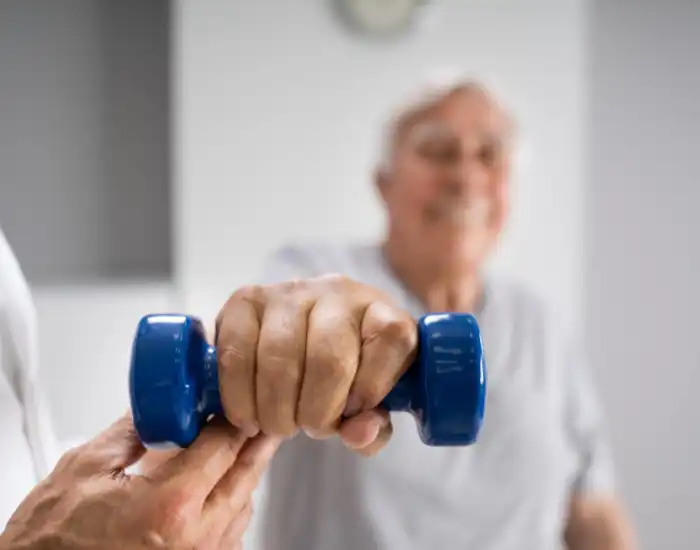
- Weight-bearing and balance exercises
- Calcium and vitamin D supplements
- Hormone therapy when appropriate
- Medications that slow bone loss or strengthen bones
- Pain management and supportive bracing if needed
In rare cases, when conservative treatments are not effective, surgical options may be considered.
What Is the Treatment for Osteoporosis at Home?
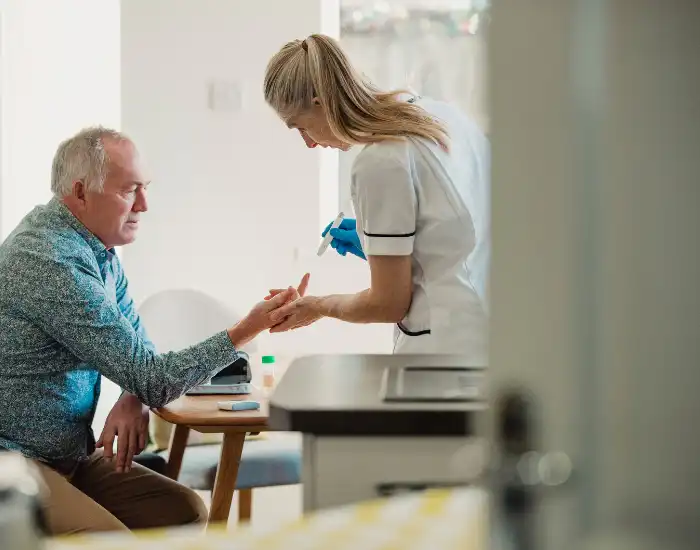
Many families ask, what is the treatment for osteoporosis when care is provided at home. In-home care includes skilled nursing, physical therapy, medication management, fall-prevention training, nutrition education, and ongoing monitoring.
The best osteoporosis treatment is personalized. For many older adults, home-based care is safer and more effective. It reduces fall risk, improves medication adherence, and avoids unnecessary hospital visits.
Treatments for osteoporosis in women, particularly after menopause, focus on slowing bone loss, preventing hip and spine fractures, and rebuilding strength and confidence through skilled therapy.
How Aleris Starts Your Osteoporosis Care
In-Home Evaluation
A licensed nurse or therapist evaluates bone health, mobility, pain levels, and home safety.
Personalized Plan of Care
Aleris works closely with your physician to develop a treatment plan based on your diagnosis and recovery goals, including safe medication management at home to ensure your treatment is effective and secure.
Ongoing Support and Monitoring
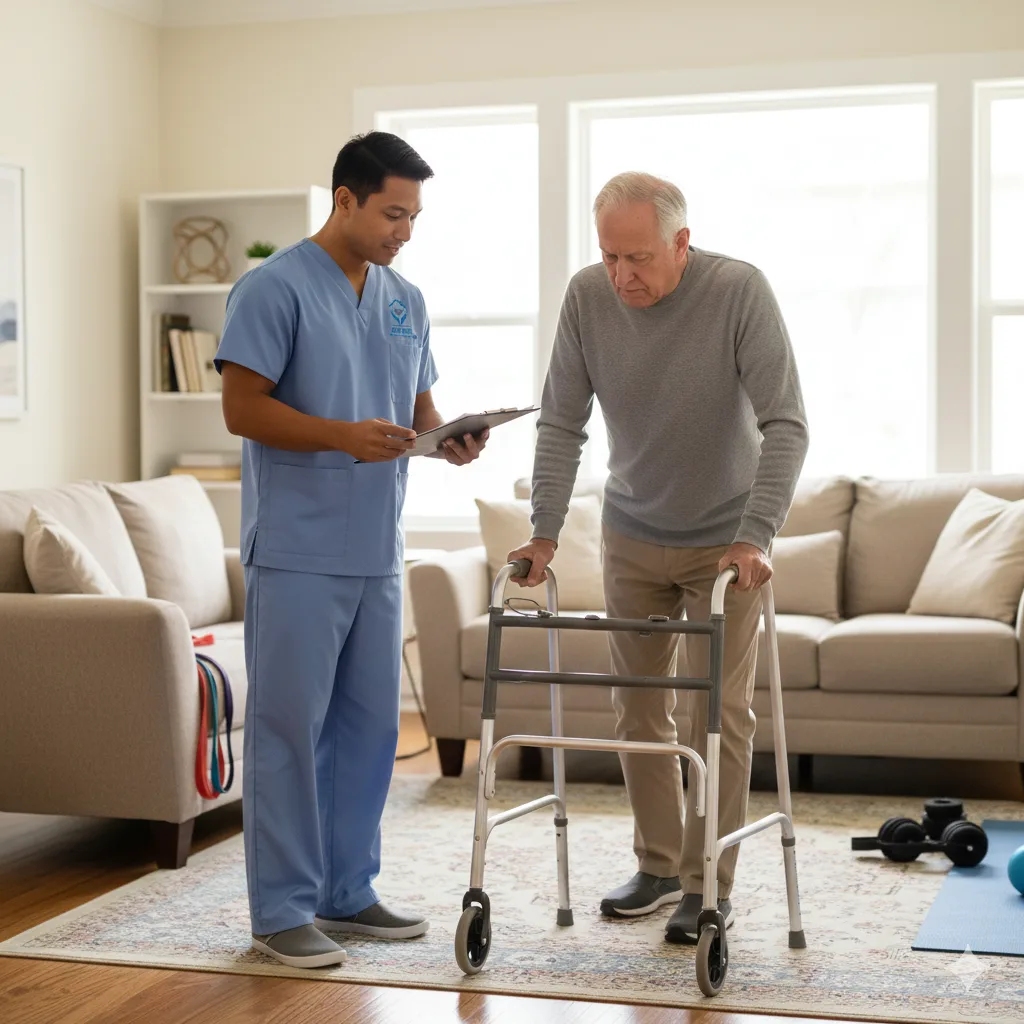
Regular visits focus on strength, balance, medication management, patient education, and fall prevention.
Real Recovery Experiences in Our Community
Recovery-Focused Experience
A patient in Sugar Land was discharged from Methodist Sugar Land Hospital after a hip fracture related to osteoporosis. Aleris Home Health began skilled nursing and physical therapy within 24 hours. With consistent in-home care, the patient regained strength and mobility without hospital readmission.
Family-Focused Experience
A family in Katy needed help managing osteoporosis medications after their mother suffered a spinal fracture treated at Memorial Hermann. Aleris nurses organized medications, monitored side effects, and educated the family—preventing complications and another hospital stay.
Insurance Coverage and Eligibility
Medicare Part A often covers home health services at 100% for eligible patients with a qualifying physician order. Many private insurance plans also cover osteoporosis-related skilled nursing and therapy.
Aleris Home Health verifies insurance benefits, coordinates approvals, and manages paperwork so families can focus on recovery.

Frequently Asked Questions About Osteoporosis Treatment
What is the most successful treatment for osteoporosis?
A combination of medication, exercise, nutrition, and fall prevention tailored to the patient’s needs.
What is the fastest way to increase bone density?
Doctor-prescribed medication along with weight-bearing exercise, calcium, and vitamin D.
What vitamins are good for osteoporosis?
Calcium and vitamin D are essential. Vitamin K and magnesium may also help when recommended.
What are the three warning signs of osteoporosis?
Back pain, loss of height, and fractures from minor falls.
What hurts when you have osteoporosis?
The condition itself may not hurt, but fractures—especially in the spine or hips—can be painful.
How does an endocrinologist treat osteoporosis?
By evaluating hormones and bone density, prescribing medication, and monitoring progress.
Can osteoporosis be reversed without medication?
Lifestyle changes help slow bone loss, but many patients need medication to prevent fractures.
What is the 6-month treatment for osteoporosis?
Some injectable medications are given every six months to strengthen bones.
Your Recovery Journey Starts at Home
Your recovery journey starts at home. Contact Aleris Home Health today to schedule an evaluation within 24–48 hours.
Phone: (281) 313-0087
Address: 140 Eldridge Rd, Suite H, Sugar Land, Texas 77478
Email: info@alerishomehealth.com
Start Care: https://alerishomehealth.com/contact/
Educational content only. Follow your physician’s individualized plan of care. Call 911 for emergencies.
Find Us on Google Map
Author: Alan Jacob / Medical Writer. Primary service areas: Sugar Land, Houston, Spring, and surrounding communities.