
Home health aides (HHAs) are crucial members of the healthcare workforce, primarily known for providing personalized care in home settings. However, a common question arises: can home health aides work in hospitals? Understanding their potential roles in hospitals and the value they bring to patient care in such environments is essential for appreciating their versatility.
Related topic: Can Home Health Aides Administer Medications?
What Roles Can Home Health Aides Play in Hospitals?
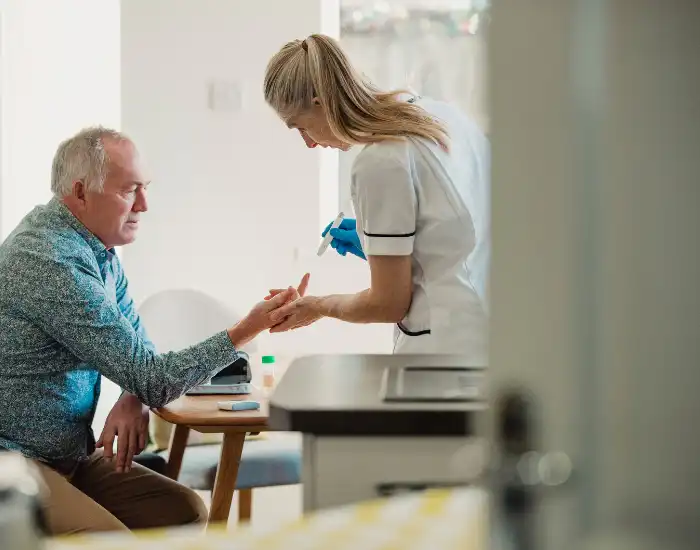
Although home health aides are typically employed in private homes, their skill set can be valuable in hospital settings. In hospitals, they may work under the supervision of registered nurses (RNs) or other medical professionals to assist with basic patient care. Their responsibilities may include:
- Assisting patients with activities of daily living (ADLs) such as bathing and dressing
- Providing companionship and emotional support
- Helping with mobility and physical therapy exercises
- Monitoring patient vital signs and reporting to the medical team
For more insights into home health care roles, visit Icon Home Health.
Differences Between Home and Hospital Settings
While home health aides excel in home-based care, transitioning to a hospital environment involves adjusting to a faster-paced and more regulated setting. Hospitals typically have stricter protocols and require aides to adhere to institutional policies. Additionally, HHAs may need to collaborate with a larger team of healthcare professionals in hospitals compared to home care.
Requirements for Home Health Aides in Hospitals
For home health aides to work in hospitals, additional training or certifications may be required. These requirements can include:
- Basic Life Support (BLS) or CPR certification
- Hospital-specific orientation and compliance training
- Familiarity with electronic health records (EHR) systems
Such qualifications ensure that HHAs are equipped to handle the unique demands of hospital care. For detailed training programs, explore Sahara Hospice Care.
Benefits of Employing Home Health Aides in Hospitals
Integrating home health aides into hospital care teams offers several advantages:
- Cost-effective care for non-critical patients
- Enhanced patient satisfaction through personalized attention
- Reduced workload for nurses and other healthcare staff
Legal and Organizational Considerations
Before home health aides can work in hospitals, legal and organizational factors must be addressed. Hospitals need to ensure that employing HHAs aligns with state and federal regulations. Additionally, clear guidelines regarding scope of practice and supervision are crucial to prevent role overlap and maintain quality care standards.
Conclusion
While traditionally associated with home-based care, home health aides can bring significant value to hospital settings under the right conditions. Their ability to provide compassionate, hands-on support complements the efforts of medical teams, ultimately enhancing patient care. As the healthcare industry evolves, the role of HHAs in hospitals may become increasingly recognized and standardized.
Explore more about Aleris Home Health services and how they support diverse patient needs.