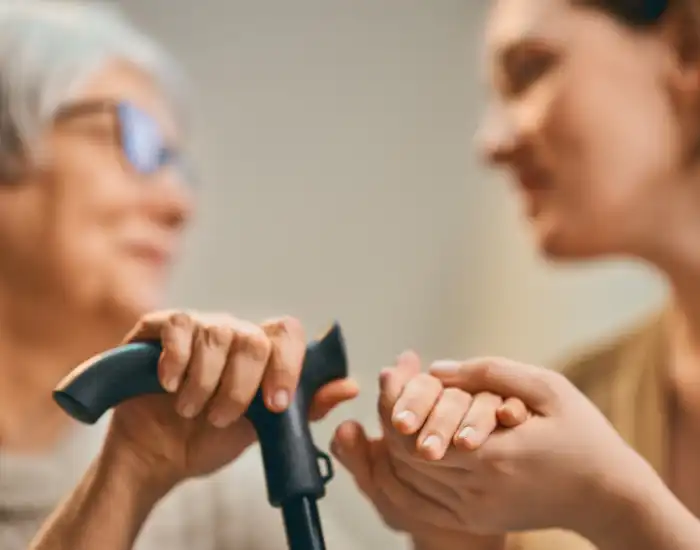

Communication is one of the most important parts of everyday life. Being able to express thoughts, understand conversations, share needs, and connect with loved ones plays a major role in emotional well-being and independence. However, after a stroke, neurological condition, injury, surgery, or age-related health change, some adults and seniors may experience difficulty speaking, understanding language, remembering information, or safely swallowing food and liquids.
For many families, the question becomes: “Can speech therapy help my loved one recover communication skills at home?”
The answer is yes. Speech therapy at home provides personalized rehabilitation in a familiar environment where patients feel comfortable and supported. Instead of traveling to appointments, individuals can receive therapy in the place where they communicate and complete daily activities most often — their own home.
In-home speech therapy focuses on much more than correcting speech. It may help with language recovery after a stroke, swallowing difficulties, memory-related communication problems, and improving confidence during everyday conversations.
Table of Contents
- What Is Speech Therapy at Home?
- Who Can Benefit From In-Home Speech Therapy?
- Speech Therapy After Stroke Recovery
- How Speech Therapy Improves Communication Problems
- Speech Therapy for Swallowing Disorders
- Cognitive Communication Therapy for Seniors
- Benefits of Receiving Speech Therapy at Home
- What Happens During an In-Home Speech Therapy Session?
- Setting Speech Therapy Goals
- How Aleris Home Health Supports Communication Recovery
- Frequently Asked Questions
Important Note
Changes in speech, communication, memory, or swallowing should not be ignored. Early evaluation and personalized therapy can help individuals regain important skills, improve confidence, and maintain a better quality of life.
What Is Speech Therapy at Home?
Speech therapy at home is a rehabilitation service where a licensed speech-language pathologist provides therapy directly in a patient’s home environment.
Many people associate speech therapy only with children who have speech delays, but speech therapy is also extremely valuable for adults and seniors recovering from medical conditions.
For older adults, speech therapy commonly addresses challenges related to:
- Stroke recovery
- Brain injuries
- Neurological disorders
- Swallowing difficulties
- Memory and thinking changes
- Speech and language disorders
A speech-language pathologist evaluates the patient’s specific challenges and develops a personalized treatment plan based on their needs.
The goal is not simply to improve speech sounds. Therapy may focus on helping someone communicate needs clearly, participate in conversations, eat safely, and regain confidence in everyday situations.
For seniors recovering from illness or injury, receiving care at home can make therapy feel more natural because treatment happens in the same environment where real communication challenges occur.
Who Can Benefit From In-Home Speech Therapy?
Many adults and seniors can benefit from in-home speech therapy, especially when communication or swallowing abilities have changed because of a health condition.
A healthcare provider may recommend speech therapy when a person experiences difficulty with:
- Speaking clearly
- Finding the right words
- Understanding conversations
- Reading or writing
- Remembering information
- Eating or swallowing safely
Adults Recovering After a Stroke
Stroke is one of the most common reasons adults require speech therapy. A stroke can affect areas of the brain responsible for language, speech movement, memory, and swallowing.
Some stroke survivors may know what they want to say but struggle to communicate those thoughts. Others may have difficulty understanding what others are saying.
Speech therapy helps identify these challenges and provides exercises and strategies to improve communication.
Seniors Experiencing Age-Related Changes
Normal aging does not usually cause major communication problems, but certain health conditions that become more common with age can affect speech and cognitive abilities.
Seniors experiencing changes in memory, problem-solving, or communication may benefit from evaluation and personalized therapy.
Individuals With Neurological Conditions
Conditions affecting the nervous system may impact speech, language, and swallowing abilities.
Speech therapy may support individuals living with:
- Parkinson’s disease
- Dementia-related communication challenges
- Multiple sclerosis
- Brain injuries
- Other neurological conditions
The specific therapy approach depends on the individual’s symptoms and personal goals.
Speech Therapy After Stroke Recovery
A stroke can change the way a person communicates, but recovery is possible with proper rehabilitation and consistent support.
Many stroke survivors experience a condition called aphasia, which affects the ability to use or understand language.
A person with aphasia may have difficulty:
- Finding words during conversations
- Creating complete sentences
- Understanding spoken language
- Reading or writing
Speech therapy helps stroke survivors rebuild communication skills through structured exercises and practical strategies.
How Speech Therapy Helps Stroke Survivors
A speech-language pathologist may work on:
- Word retrieval skills
- Sentence formation
- Conversation practice
- Memory strategies
- Alternative communication methods
Therapy may also involve family members because communication recovery is often more successful when loved ones understand how to provide support.
Families may learn how to:
- Give the person more time to respond
- Avoid correcting every mistake
- Use supportive communication techniques
- Create a calm environment for conversations
Every stroke recovery journey is different. Some individuals improve quickly, while others require longer-term rehabilitation. The focus of speech therapy is helping each person achieve meaningful improvements based on their abilities and goals.
Specialized aphasia treatment and communication support can help individuals rebuild confidence and improve daily interactions after stroke-related language challenges.
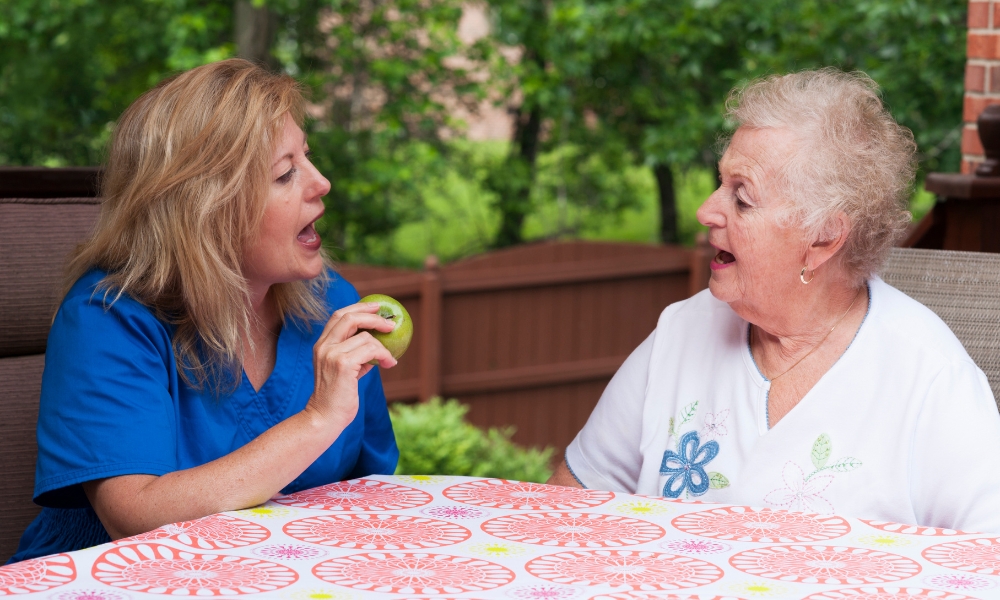
How Speech Therapy Improves Communication Problems
Communication difficulties can affect much more than speaking. They can influence relationships, independence, emotional health, and overall quality of life.
A person who struggles to communicate may become frustrated, withdrawn, or less willing to participate in social activities.
Speech therapy addresses communication challenges by identifying the specific areas that need support.
Speech Production Problems
Some individuals understand language but have difficulty controlling the muscles needed for clear speech.
Therapy may focus on:
- Improving speech clarity
- Strengthening coordination
- Practicing speech patterns
- Improving voice control
Language Difficulties
Language problems involve understanding or expressing information.
Speech therapy may help patients practice:
- Naming objects
- Building sentences
- Following conversations
- Expressing needs and thoughts
Voice Problems
Some medical conditions can affect voice strength, volume, or quality.
A speech-language pathologist can provide exercises and techniques designed to improve communication effectiveness.
Professional speech language pathology services provide specialized support for adults and seniors experiencing communication challenges at home.
Medical Conditions That May Benefit From Speech Therapy at Home
Speech therapy at home can support adults and seniors living with many different medical conditions. While communication or swallowing difficulties may appear suddenly after a medical event, they can also develop gradually because of progressive conditions.
A speech-language pathologist evaluates each person individually because the same diagnosis can affect people in very different ways.

Stroke and Brain Injury
Stroke is one of the most common reasons adults require speech therapy. Depending on the area of the brain affected, a stroke may impact speech, language, memory, problem-solving, or swallowing.
After a stroke, some individuals may experience:
- Difficulty finding words
- Slower communication
- Problems understanding conversations
- Changes in voice or speech clarity
- Difficulty swallowing safely
Speech therapy focuses on rebuilding communication skills while helping individuals develop strategies to manage any ongoing challenges.
For stroke survivors, early rehabilitation and consistent practice can play an important role in recovery. Families looking for recovery support may benefit from specialized in-home rehabilitation services designed around individual needs.
Parkinson’s Disease
Parkinson’s disease can affect the muscles responsible for speech and swallowing. Some individuals may notice their voice becoming softer, speech becoming less clear, or conversations becoming more difficult.
Speech therapy may help address:
- Voice strength
- Speech clarity
- Breathing support during speaking
- Safe swallowing techniques
The goal is to help individuals communicate confidently and maintain participation in daily interactions.
Dementia-Related Communication Changes
Some seniors with dementia experience changes in memory, attention, and language abilities.
Although speech therapy cannot reverse dementia, it can help individuals and families develop strategies to support communication and reduce frustration.
Therapy may focus on:
- Maintaining communication skills
- Creating supportive routines
- Using memory aids
- Helping caregivers communicate effectively
Neurological Conditions
Other neurological conditions may affect communication and swallowing abilities.
Speech therapy may support individuals with conditions that impact the nervous system by improving functional communication and safety.
How Families Can Support Speech Therapy Progress
Family involvement can make a significant difference in speech therapy success. Recovery does not only happen during therapy sessions. Daily practice and supportive communication at home are also important.
Families can help by creating an environment where the individual feels comfortable practicing new skills.
Be Patient During Conversations
After a stroke or neurological condition, a person may need more time to find words or organize thoughts.
Helpful communication strategies include:
- Giving extra time for responses
- Avoiding interrupting or finishing sentences too quickly
- Maintaining eye contact
- Reducing distractions during conversations
Patience allows the person to participate actively instead of feeling pressured.
Practice Therapy Techniques Regularly
Consistency is an important part of rehabilitation.
Families can support progress by encouraging practice of therapist-recommended exercises and communication strategies.
Small, regular practice sessions can help reinforce skills over time.
Support Confidence and Independence
Communication difficulties can sometimes cause frustration or embarrassment.
Family members can help by focusing on progress rather than mistakes.
Celebrating improvements, even small ones, encourages motivation and confidence throughout recovery.
Choosing the Right In-Home Speech Therapy Provider
Selecting a qualified speech therapy provider is an important decision for families. The right provider should offer personalized care, experienced professionals, and treatment plans based on each patient’s unique needs.
When choosing an in-home speech therapy provider, families should consider:
- Licensed speech-language professionals
- Experience working with adults and seniors
- Personalized treatment planning
- Communication with physicians and caregivers
- Focus on measurable therapy goals
A strong healthcare team works together to support the patient’s overall recovery.
At Aleris Home Health, compassionate care focuses on helping patients receive professional support while remaining comfortable in their own homes.
How Aleris Home Health Supports Communication Recovery
Communication challenges can affect every part of daily life, from expressing basic needs to connecting with family members. Aleris Home Health understands that every patient’s recovery journey is different.
Through personalized healthcare support, patients can receive services designed around their specific goals, abilities, and lifestyle.
Our approach focuses on providing compassionate care that helps adults and seniors improve independence and quality of life.
Professional speech therapy support may help individuals recovering from stroke, managing swallowing difficulties, or experiencing communication changes related to medical conditions.
Families seeking comprehensive care can explore skilled home healthcare services that support recovery and ongoing wellness.
For individuals needing specialized communication support, working with trained professionals can provide the guidance needed to improve daily interactions and confidence.
Frequently Asked Questions About Speech Therapy at Home
What is speech therapy at home?
Speech therapy at home is a rehabilitation service where a licensed speech-language pathologist provides treatment in the patient’s home. It helps improve communication, swallowing, memory-related skills, and speech abilities.
Who needs in-home speech therapy?
Adults and seniors recovering from stroke, brain injury, neurological conditions, or swallowing problems may benefit from in-home speech therapy.
Can speech therapy help after a stroke?
Yes. Speech therapy can help stroke survivors improve language skills, speech clarity, cognitive communication, and swallowing abilities affected by stroke.
How long does speech therapy take after a stroke?
The length of therapy depends on the severity of communication or swallowing difficulties, the individual’s goals, and their progress during rehabilitation.
Can speech therapy help with swallowing problems?
Yes. Speech-language pathologists evaluate swallowing difficulties and provide exercises, techniques, and recommendations to help individuals eat and drink more safely.
Is speech therapy available for seniors at home?
Yes. Many seniors benefit from receiving speech therapy at home because it provides comfort, convenience, and therapy based on real-life challenges within their own environment.
Final Thoughts: Helping Adults and Seniors Communicate With Confidence
Communication is essential for maintaining relationships, independence, and emotional well-being. When medical conditions affect speech, language, memory, or swallowing, professional support can help individuals regain important abilities.
Speech therapy at home provides a personalized approach that allows adults and seniors to receive rehabilitation in a familiar and comfortable environment.
Whether someone is recovering after a stroke, managing swallowing difficulties, or experiencing cognitive communication changes, therapy can provide practical strategies that improve daily life.
The goal of speech therapy is not only better communication — it is helping people remain connected, confident, and involved in the activities that matter most.
Medical Disclaimer
This content is for informational purposes only and does not replace professional medical advice, diagnosis, or treatment. Always consult a qualified healthcare provider regarding individual health concerns and therapy needs.