A stroke can change life in a matter of moments. For many families, the days and weeks after a stroke bring a mixture of emotions — relief that their loved one survived, uncertainty about what recovery will look like, and concern about how to provide the right support at home.
While hospitals provide critical emergency treatment and stabilization, recovery continues long after discharge. Many stroke survivors face challenges with movement, communication, balance, memory, daily activities, and emotional adjustment. This is where professional support through stroke recovery at home can make a meaningful difference.
Recovering at home allows many patients to continue rehabilitation in a familiar environment while receiving personalized medical care and therapy services. With the right combination of skilled nursing, physical therapy, speech therapy, and family involvement, stroke survivors can work toward regaining independence and improving their quality of life.
Every stroke recovery journey is different. Some people regain abilities quickly, while others require months of rehabilitation and ongoing support. Understanding what to expect can help families feel more prepared and confident during this important stage of healing.
Table of Contents
- What Does Stroke Recovery at Home Involve?
- What Happens After a Stroke Patient Returns Home?
- Stroke Recovery Timeline: What Families Should Expect
- Why Home Health After Stroke Is Important
- The Role of Stroke Rehabilitation at Home
- Physical Therapy After Stroke
- Speech Therapy After Stroke
- Occupational Therapy and Daily Independence
- Fall Prevention After Stroke
- How Families Can Support Stroke Recovery
- Warning Signs After a Stroke
- Frequently Asked Questions
Important Note
Stroke recovery does not end when a patient leaves the hospital. The early weeks and months at home are an important opportunity for healing, rehabilitation, and rebuilding confidence. Understanding the recovery process and having the right support can help families recognize challenges early and provide safer, more effective care.
What Does Stroke Recovery at Home Involve?
Stroke recovery at home involves continuing medical care, rehabilitation, and daily support after a patient leaves the hospital or rehabilitation facility.
After a stroke, the brain needs time and support to recover. Depending on the area of the brain affected, a person may experience difficulties with movement, speech, balance, coordination, memory, swallowing, or completing everyday tasks.
Recovering at home focuses on helping patients regain as much independence as possible while managing ongoing health needs.
A home-based recovery plan may include:
- Skilled nursing visits
- Physical therapy
- Speech therapy
- Occupational therapy
- Medication management
- Blood pressure monitoring
- Fall prevention strategies
- Family education and caregiver support
The goal is not simply to help someone return to their previous routine immediately. Stroke recovery is a gradual process that focuses on improving function, preventing complications, and helping patients adapt safely.
Many stroke survivors feel frustrated when they cannot perform tasks they previously handled easily. Simple activities such as walking, dressing, speaking clearly, or preparing meals may suddenly require significant effort.
Professional home healthcare providers understand these challenges and create care plans that focus on realistic progress while supporting the patient’s emotional and physical needs.
What Happens After a Stroke Patient Returns Home?
The transition home after a stroke can be both exciting and overwhelming.
Families often have questions such as:
- Will my loved one be able to walk independently again?
- How can we prevent another stroke?
- What symptoms should we watch for?
- How can we safely help without limiting independence?
The first stage after returning home is focused on safety, monitoring, and adjusting to new routines.
A stroke survivor may need assistance with activities that were previously automatic. Even small tasks may require additional planning and patience.
Healthcare professionals often evaluate:
- Mobility and balance
- Communication abilities
- Medication routines
- Home safety risks
- Ability to perform daily activities
- Emotional well-being
This evaluation helps create a personalized recovery plan based on the individual’s current abilities and goals.
For many families, having professional guidance during this transition reduces stress and helps prevent avoidable complications.
Stroke Recovery Timeline: What Families Should Expect
One of the most common questions families ask is, “How long does it take to recover from a stroke?”
The answer depends on several factors, including the type of stroke, severity of brain injury, overall health, age, and how quickly rehabilitation begins.
There is no single recovery timeline that applies to everyone.
The First Few Weeks After Stroke
The first weeks after a stroke are often focused on stabilization and beginning rehabilitation.
During this period, patients may work on basic skills such as:
- Sitting and standing safely
- Improving movement
- Managing fatigue
- Beginning communication exercises
- Learning safer daily routines
Professional therapy during this stage can help encourage the brain’s ability to adapt and develop new pathways.
One to Six Months After Stroke
Many patients experience significant progress during the first several months of recovery.
Therapy often focuses on improving strength, coordination, communication, and independence.
Patients may begin working toward goals such as walking more safely, completing household tasks, or communicating more effectively.
Long-Term Stroke Recovery
Recovery can continue beyond six months. While progress may become slower, continued therapy, exercise, medical management, and lifestyle adjustments can still provide important benefits.
Some individuals continue needing support for chronic effects of stroke, while others regain a high level of independence.
The most important factor is creating a recovery plan that matches the patient’s abilities and needs.
Why Home Health After Stroke Is Important
Home health after stroke provides medical and rehabilitation support designed specifically for stroke survivors recovering outside of a hospital setting.
Many patients face their greatest challenges after discharge, when they must manage medications, therapy exercises, mobility concerns, and lifestyle changes at home.
A home health team helps bridge the gap between hospital care and independent living.
Home health services after stroke may include:
- Skilled nursing assessments
- Medication management
- Blood pressure monitoring
- Physical therapy
- Speech therapy
- Occupational therapy
- Patient and caregiver education
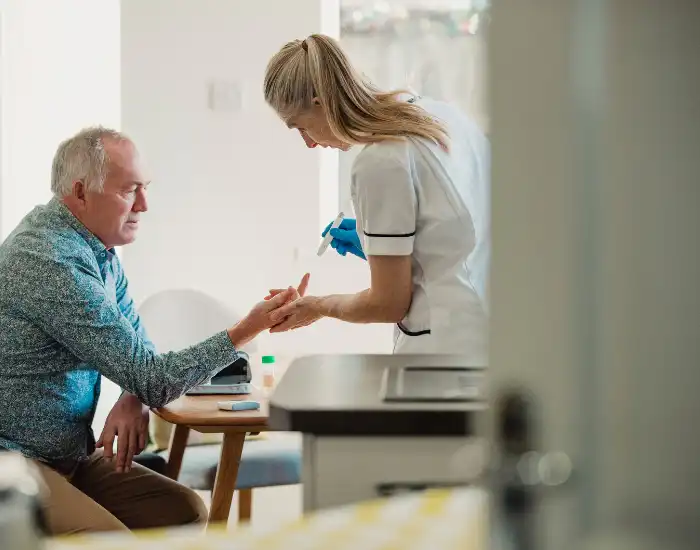
A home health nurse can monitor recovery progress, identify concerns, and communicate changes with physicians.
Therapists can work with patients in the actual environment where challenges occur, making rehabilitation more practical and personalized.
For example, a therapist can observe how a patient moves through their home, identify safety concerns, and recommend adjustments that support independence.
Services such as in-home rehabilitation services allow stroke survivors to continue working toward recovery goals without the stress of frequent travel.
The Role of Stroke Rehabilitation at Home
Stroke rehabilitation is one of the most important parts of recovery after a stroke. The brain has an ability called neuroplasticity, which allows it to create new connections and adapt after injury. Rehabilitation uses repeated practice, structured exercises, and targeted therapies to help stroke survivors regain skills and improve independence.
At home, rehabilitation focuses on helping patients apply therapy skills to their real daily environment. Instead of practicing movements only in a clinical setting, patients learn how to safely complete activities they actually need at home.
Stroke rehabilitation may address:
- Walking and balance difficulties
- Muscle weakness
- Loss of coordination
- Speech and communication problems
- Difficulty completing daily activities
- Changes in confidence and independence
The rehabilitation process is highly individualized. A person who experienced a mild stroke may focus on improving strength and preventing future problems, while someone with more significant effects may need extensive therapy to relearn basic movements and daily tasks.
Consistency is one of the most important factors in recovery. Small improvements over time can lead to meaningful changes in independence and quality of life.
Physical Therapy After Stroke
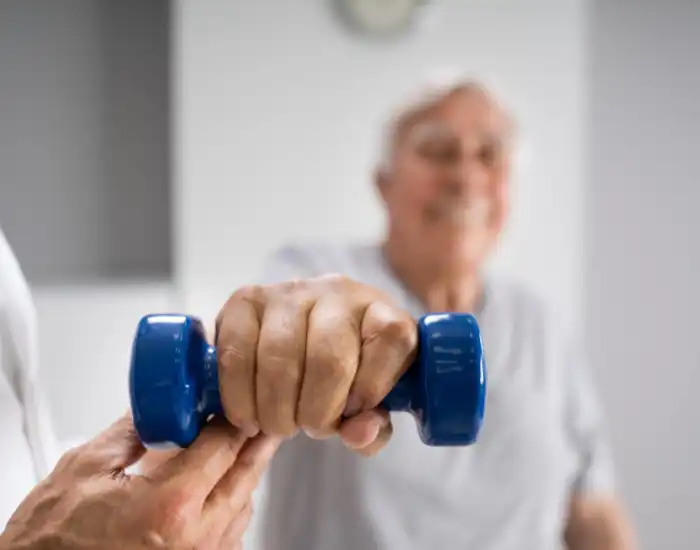
Physical therapy after stroke helps patients improve movement, strength, balance, and coordination. Many stroke survivors experience weakness on one side of the body, difficulty walking, or changes in balance that increase their risk of falls.
A physical therapist creates exercises based on the patient’s abilities and recovery goals.
Physical therapy may focus on:
- Improving walking ability
- Strengthening affected muscles
- Increasing range of motion
- Improving balance and coordination
- Reducing fall risks
- Building confidence with movement
For example, a stroke survivor who struggles with walking may begin with basic standing exercises and gradually progress toward walking independently with improved stability.
Therapists also teach patients how to move safely during everyday activities, such as getting out of bed, using stairs, or transferring from a chair.
Receiving physical therapy at home provides an important advantage because the therapist can evaluate the patient’s actual living environment.
A therapist may identify obstacles such as narrow walking spaces, unsafe furniture placement, or areas where additional support is needed.
These recommendations can help reduce injuries and make the home safer for recovery.
Speech Therapy After Stroke
Many stroke survivors experience communication challenges, and speech therapy after stroke can play a major role in recovery.
A stroke may affect the parts of the brain responsible for language, speech, understanding, or swallowing. Some individuals know what they want to say but have difficulty expressing their thoughts. Others may struggle to understand conversations or process information.
Speech-language pathologists help patients improve communication skills through personalized therapy.
Speech therapy after stroke may address:
- Difficulty finding words
- Problems forming sentences
- Speech clarity issues
- Understanding spoken language
- Reading and writing challenges
- Swallowing difficulties
Communication difficulties can be emotionally challenging for stroke survivors. Many people feel frustrated when they cannot express themselves the way they did before.
Speech therapy provides both practical strategies and emotional support by helping patients rebuild confidence.
For individuals with swallowing difficulties, speech therapists can also recommend techniques to improve safety during eating and drinking.
Occupational Therapy and Regaining Daily Independence
Occupational therapy helps stroke survivors regain the ability to complete everyday activities as independently as possible.
After a stroke, tasks that once seemed simple may become challenging. Getting dressed, preparing food, writing, using a phone, or managing personal care may require new strategies.
An occupational therapist helps patients develop techniques to complete these activities safely.
Occupational therapy may focus on:
- Personal care activities
- Kitchen safety
- Home organization
- Fine motor skills
- Memory strategies
- Energy conservation techniques
The goal is not only improving physical ability but helping patients participate in meaningful daily activities.
For many stroke survivors, regaining independence in small areas can significantly improve confidence and emotional well-being.
Fall Prevention After Stroke
Falls are one of the most common concerns during stroke recovery. Changes in balance, muscle weakness, vision problems, and coordination difficulties can make everyday movement more challenging.
Preventing falls is an essential part of safe recovery at home.
Families can improve home safety by:
- Removing clutter from walking areas
- Improving lighting throughout the home
- Installing grab bars when needed
- Using recommended mobility equipment
- Keeping frequently used items within easy reach
- Encouraging safe movement techniques
A healthcare professional can evaluate the home and recommend specific safety improvements based on the patient’s abilities.
It is important for families to encourage independence while avoiding situations where the patient may be at unnecessary risk.
Overprotecting a stroke survivor can sometimes limit progress. The goal is to create a safe environment where patients can practice skills and regain confidence.
Important Note
Stroke recovery can feel unpredictable, and every survivor progresses differently. Some improvements happen quickly, while others take more time. Families should avoid comparing one person’s recovery to another and focus instead on steady progress, professional guidance, and realistic goals.
How Families Can Support Stroke Recovery
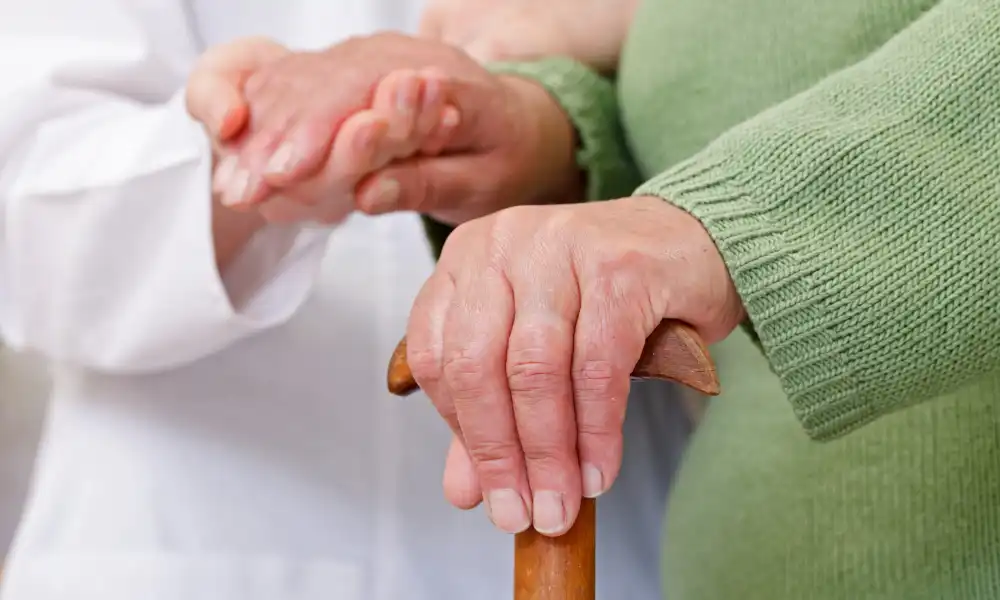
Family support can have a powerful impact on a stroke survivor’s recovery journey. However, supporting a loved one after a stroke can also be emotionally and physically demanding.
Families often want to help as much as possible, but it is important to provide support in a way that encourages independence rather than replacing the patient’s abilities.
Helpful ways families can support recovery include:
- Encouraging participation in therapy exercises
- Creating a positive and patient environment
- Helping maintain medical appointments
- Learning about stroke warning signs
- Supporting healthy lifestyle changes
- Providing emotional encouragement
Patience is essential. Stroke recovery can involve frustration, mood changes, fatigue, and emotional adjustments.
Some survivors experience sadness, anxiety, or loss of confidence after a stroke. Emotional health is an important part of recovery and should not be overlooked.
Family caregivers should also remember to take care of their own well-being. Caregiver stress can build over time, especially when managing appointments, daily assistance, and changing responsibilities.
Professional home healthcare support can provide families with guidance while ensuring the stroke survivor receives appropriate medical care.
Warning Signs After a Stroke That Should Not Be Ignored
After a stroke, monitoring changes in health is extremely important. Although recovery is a gradual process, certain symptoms may indicate a medical concern that requires immediate attention.
Families and caregivers should understand the warning signs that may suggest another stroke or a serious complication.
Seek medical attention immediately if a person experiences sudden symptoms such as:
- New weakness or numbness on one side of the body
- Sudden difficulty speaking or understanding words
- Sudden confusion or unusual behavior changes
- Loss of balance, dizziness, or difficulty walking
- Sudden vision problems
- A severe or unusual headache
- New trouble swallowing
A simple way to remember common stroke warning signs is the FAST method:
- Face: Ask the person to smile and check for facial drooping.
- Arms: Ask them to raise both arms and notice if one side is weaker.
- Speech: Listen for slurred speech or difficulty speaking.
- Time: Seek emergency medical help immediately if these symptoms appear.
Even if symptoms appear temporary or improve quickly, they should not be ignored. A temporary episode may still require medical evaluation.
In addition to stroke warning signs, families should monitor other recovery concerns such as:
- Signs of infection
- Sudden changes in mobility
- Increased confusion
- Difficulty managing medications
- Changes in swallowing ability
- Frequent falls
Regular communication with healthcare providers and ongoing monitoring through home health services can help identify concerns earlier.
How to Reduce the Risk of Another Stroke
After experiencing a stroke, preventing another stroke becomes an important part of long-term health management.
While some risk factors cannot be changed, many lifestyle and medical factors can be managed with proper care.
Stroke prevention strategies may include:
- Managing blood pressure
- Taking medications as prescribed
- Monitoring cholesterol levels
- Managing diabetes
- Following a heart-healthy diet
- Staying physically active as recommended
- Maintaining regular medical appointments
Medication management is especially important because many stroke survivors take medications designed to reduce future risks.
Missing doses or misunderstanding instructions can affect health outcomes, which is why support from a home health nurse can be valuable.
A skilled healthcare professional can help monitor progress, identify concerns, and reinforce the treatment plan established by physicians.
Medication Management During Stroke Recovery
Medication routines often become more complex after a stroke. Patients may be prescribed medications for blood pressure, cholesterol, blood clot prevention, diabetes management, or other health conditions.
Managing several medications at once can be overwhelming, especially for individuals who are also coping with fatigue, memory challenges, or physical limitations.
A home health nurse can support medication safety by:
- Reviewing medication schedules
- Explaining medication purposes
- Monitoring possible side effects
- Identifying missed doses or confusion
- Communicating concerns with physicians
Proper medication management is not only about taking pills on time. It also involves understanding how medications support recovery and recognizing when something may not be working correctly.
Families should avoid making medication changes without consulting a healthcare provider. Even small changes can affect recovery and overall health.
Nutrition and Healthy Lifestyle Changes After Stroke
Nutrition plays an important role in stroke recovery and long-term health.
After a stroke, some patients may experience challenges related to appetite, swallowing, fatigue, or preparing meals independently.
A balanced diet can support overall wellness and help manage conditions that increase stroke risk.
Healthy lifestyle habits after stroke may include:
- Eating a balanced diet with nutrient-rich foods
- Following recommendations from healthcare providers
- Maintaining appropriate hydration
- Managing weight goals safely
- Avoiding habits that increase health risks
For patients with swallowing difficulties, dietary recommendations may need to be adjusted based on guidance from healthcare professionals.
Families should work with the patient’s healthcare team to create realistic nutrition goals that support recovery without creating unnecessary stress.
Choosing Home Health Services After Stroke
Selecting the right home healthcare provider is an important decision for families navigating stroke recovery.
A quality home health agency should provide compassionate care, experienced professionals, and services designed around the patient’s specific recovery needs.
When choosing a provider, families may consider:
- Whether the agency provides skilled nursing services
- Availability of physical, occupational, and speech therapy
- Experience caring for stroke survivors
- Communication with physicians and families
- Personalized care planning
Aleris Home Health provides skilled home healthcare services throughout Sugar Land, Houston, Missouri City, Richmond, Stafford, and surrounding Texas communities.
Our team supports stroke survivors through personalized care plans that may include skilled nursing, rehabilitation support, therapy coordination, and ongoing education for families.
Recovering from a stroke can feel overwhelming, but patients and families do not have to manage the journey alone.
Frequently Asked Questions About Stroke Recovery at Home
How long does stroke recovery take at home?
Stroke recovery timelines vary from person to person. Some individuals improve significantly within weeks or months, while others require longer-term rehabilitation. Recovery depends on stroke severity, overall health, therapy participation, and individual circumstances.
Can a stroke patient recover at home?
Yes, many stroke survivors continue recovery at home with appropriate medical support and rehabilitation services. Home health care can provide skilled nursing, therapy, and education to help patients safely work toward independence.
What type of therapy is needed after a stroke?
Many stroke survivors benefit from physical therapy, speech therapy, and occupational therapy. The specific combination depends on the patient’s challenges, such as mobility problems, communication difficulties, or difficulty completing daily activities.
Does Medicare cover home health after stroke?
Medicare may cover eligible home health services after a stroke when specific requirements are met, including physician certification and the need for skilled medical care. Coverage depends on each patient’s individual situation.
What does a home health nurse do after a stroke?
A home health nurse may monitor recovery progress, manage medications, assess health changes, provide education, monitor vital signs, and communicate with physicians about the patient’s condition.
How can families help someone recovering from a stroke?
Families can support recovery by encouraging therapy participation, creating a safe home environment, helping with healthcare routines, offering emotional support, and learning how to recognize warning signs.
Medical Disclaimer
This article is for informational purposes only and does not replace professional medical advice. Stroke recovery plans should always be created with guidance from qualified healthcare providers. If you notice emergency stroke symptoms or sudden health changes, seek immediate medical attention.