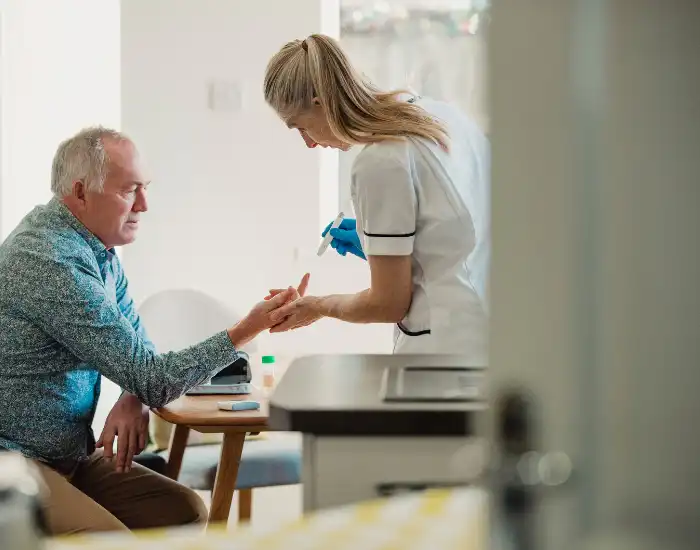
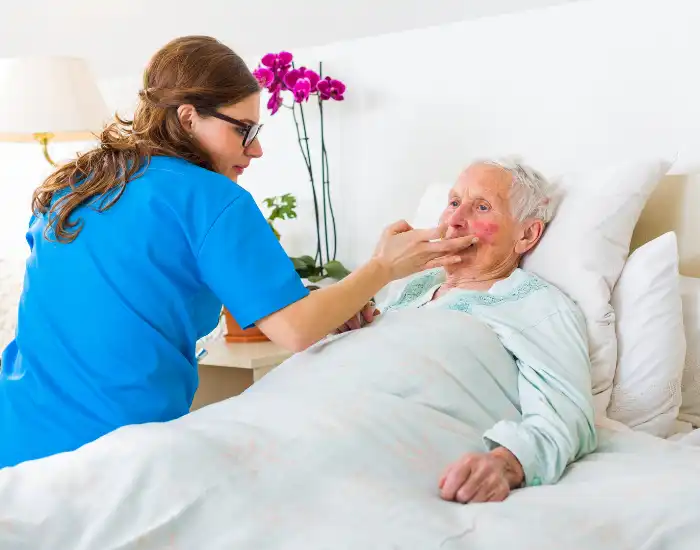
Watching a loved one grow older or recover from a health challenge can bring many emotions. Families often want to provide as much support as possible, but there may come a time when everyday care becomes more difficult than expected. A parent who once managed everything independently may begin struggling with mobility, medications, personal routines, or managing a chronic condition.
Many families ask themselves, “How do I know when my loved one needs home health care?” The answer is not always obvious. Sometimes the signs appear gradually, such as increased falls, missed medications, reduced activity, or difficulty completing tasks that were once easy. Other times, the need becomes clear after a hospitalization, surgery, or sudden health change.
Recognizing these signs early can help families arrange the right support before a small concern becomes a serious health risk. Home health care can provide professional medical assistance, rehabilitation, and guidance while allowing seniors and recovering patients to remain comfortable in their own homes.
Table of Contents
- Signs Your Loved One Needs Home Health Care
- Why Families Consider Home Health Care
- Frequent Falls and Balance Problems
- Medication Management Problems
- Recent Hospitalization or Medical Event
- Declining Mobility and Independence
- Difficulty Managing Chronic Conditions
- Changes in Daily Routines and Personal Care
- Caregiver Stress and Family Burnout
- How Home Health Care Can Help
- When to Get Home Health Care
- Frequently Asked Questions
Important Note
Needing additional support does not mean your loved one is losing independence. In many cases, the right home health care services help seniors stay safer, maintain confidence, and continue living comfortably at home. Recognizing changes early can make a meaningful difference in health, recovery, and quality of life.
Signs Your Loved One Needs Home Health Care
The signs that a senior may need home health care are often connected to changes in safety, health management, and daily independence. While occasional challenges are normal, repeated problems may indicate that professional support could improve your loved one’s wellbeing.
Some common signs include:
- Frequent falls or increasing balance problems
- Difficulty managing medications correctly
- Recent hospitalization or surgery recovery needs
- Declining ability to walk or move safely
- Difficulty managing chronic health conditions
- Changes in hygiene, nutrition, or daily routines
- Increased confusion or difficulty following healthcare instructions
- Family caregivers feeling overwhelmed or exhausted
Every person’s situation is different. Some seniors may need temporary support during recovery, while others may benefit from ongoing assistance with complex medical needs.
The goal of home health care is not to take away independence. Instead, it provides the professional support needed to help individuals remain safe and healthy in their preferred environment.
Why Families Consider Home Health Care
Many families begin looking into home health care when they notice that their loved one’s needs have changed. A parent may still want to remain at home, but managing health challenges alone may no longer be safe or realistic.
Home health care provides a bridge between complete independence and more intensive care settings. It allows patients to receive professional healthcare support without immediately moving into a nursing facility or assisted living environment.
Families commonly consider home health services when a loved one needs:
- Skilled nursing support
- Medication monitoring
- Physical rehabilitation
- Help recovering after illness or surgery
- Assistance managing chronic medical conditions
- Professional health assessments
For example, an older adult recovering from a hospital stay may appear ready to return home but still struggle with weakness, medications, and mobility. Having skilled healthcare professionals visit the home can provide reassurance and reduce the risk of complications.
1. Frequent Falls and Balance Problems
Frequent falls are one of the most important warning signs that a senior may need additional support at home. Falls can happen for many reasons, including muscle weakness, balance problems, medication side effects, vision changes, or medical conditions affecting mobility.
A single fall may not always indicate a major problem, but repeated falls should never be ignored. They may signal that a person’s current living situation or health condition requires additional attention.
Signs related to fall risk may include:
- Holding onto furniture while walking
- Avoiding certain rooms because movement feels difficult
- Feeling unsteady when standing up
- Difficulty using stairs safely
- Fear of walking without assistance
A healthcare professional can evaluate mobility, strength, and safety concerns to determine what support may be helpful.
Physical therapy is often an important part of fall prevention. A physical therapist can create exercises designed to improve strength, balance, coordination, and confidence with movement.
Services such as physical therapy in Houston can help eligible patients improve mobility while receiving care in the comfort of their home.
2. Medication Management Problems
Managing medications becomes increasingly complex for many seniors, especially those taking multiple prescriptions for different health conditions.
Missing doses, taking medications incorrectly, confusing prescriptions, or forgetting changes after a doctor visit can create serious health concerns.
Warning signs that medication management may be becoming difficult include:
- Forgotten medications
- Taking the wrong dosage
- Unopened prescription bottles
- Confusion about medication schedules
- Frequent medication-related questions or mistakes
Medication challenges can happen even to individuals who have always been independent. Changes in memory, vision, organization, or health conditions can make medication routines harder to manage.
Skilled home nursing services can provide professional support by reviewing medication routines, educating patients, monitoring health changes, and communicating concerns with physicians.
Home nurses can also help identify whether medication issues are connected to other concerns, such as confusion, weakness, dehydration, or changes in a medical condition.
Families looking for professional support can explore services such as home nursing services in Houston to help seniors manage healthcare needs safely at home.
3. Recent Hospitalization or Medical Event
A recent hospitalization is one of the most common reasons families begin considering home health care. Leaving the hospital does not always mean a person has fully recovered.
Many patients return home with new medications, activity restrictions, wound care needs, or rehabilitation goals. Without proper follow-up support, recovery can become more difficult.
Home health care after hospitalization may help patients:
- Follow discharge instructions
- Manage new medications
- Recover strength and mobility
- Monitor symptoms
- Reduce the risk of complications
Patients recovering from conditions such as stroke, joint replacement surgery, heart-related issues, or serious infections may especially benefit from professional support during the transition home.
A skilled nurse can monitor recovery progress, while therapists can help patients regain movement and independence.
Services such as home health care in Houston can provide coordinated support for patients who need continued care after a medical event.
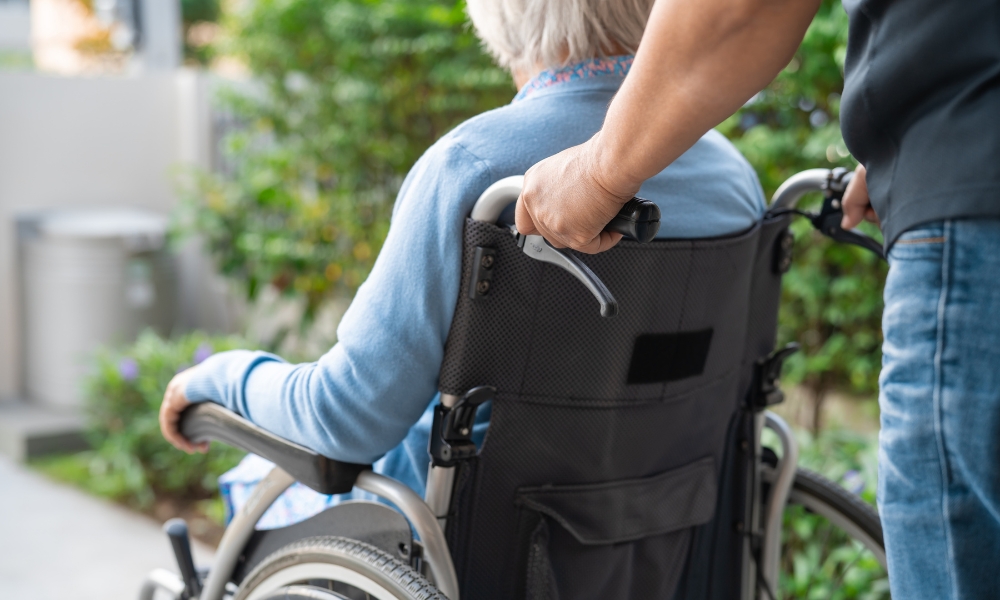
4. Declining Mobility and Independence
Changes in mobility are often one of the earliest signs that an older adult may need additional support at home. Many seniors slowly experience reduced strength, balance challenges, joint discomfort, or difficulty moving around the house, but these changes can sometimes go unnoticed until they begin affecting daily life.
A loved one who once moved confidently around their home may begin avoiding certain activities because they feel unsafe. They may stop going outside, avoid stairs, spend more time sitting, or rely heavily on furniture for support while walking.
Common signs of declining mobility include:
- Difficulty getting up from a chair or bed
- Walking more slowly than usual
- Using walls or furniture for support
- Avoiding activities they previously enjoyed
- Needing help getting to appointments
- Difficulty bathing, dressing, or preparing meals
Mobility changes do not always mean a person needs a higher level of care immediately. In many cases, early intervention through home health services can help seniors maintain their abilities and prevent further decline.
Physical and occupational therapists can evaluate movement patterns, identify safety concerns, and develop personalized plans to improve function.
For example, an occupational therapist may suggest ways to make daily activities safer, while a physical therapist may create exercises to improve strength, balance, and endurance.
Receiving rehabilitation at home can be especially helpful because therapists can see how patients move in their actual living environment. This allows them to address real challenges, such as navigating hallways, using bathrooms safely, or moving between rooms.
Families searching for rehabilitation support may benefit from services such as in-home rehabilitation services, which are designed to help patients regain confidence and independence.
5. Difficulty Managing Chronic Conditions
Many seniors live with chronic health conditions that require ongoing monitoring, medication management, lifestyle adjustments, and regular communication with healthcare providers.
Conditions such as diabetes, heart disease, respiratory disorders, and neurological conditions can become harder to manage over time. A person who once handled their healthcare routine independently may begin struggling with appointments, medications, symptom tracking, or recognizing warning signs.
Signs that chronic condition management may require professional support include:
- Frequent changes in symptoms
- Difficulty following treatment instructions
- Repeated emergency room visits
- Changes in blood sugar levels
- Increased shortness of breath or fatigue
- Difficulty keeping track of medical appointments
Skilled home healthcare professionals can provide valuable support by monitoring health changes, educating patients, and helping families understand how to manage ongoing conditions.
For example, a skilled nurse may help a patient with diabetes understand medication routines, recognize symptoms that require attention, and communicate important updates with their physician.
Patients with heart conditions may benefit from monitoring changes in weight, swelling, energy levels, and other symptoms that could indicate a need for medical attention.
Home health care does not replace a physician’s care, but it provides an important connection between doctor visits and everyday health management.
Services such as diabetes care in Houston can support eligible patients who need professional guidance managing chronic health concerns at home.
6. Changes in Daily Routines and Personal Care
Sometimes the first signs that a loved one needs help are not medical symptoms but changes in everyday habits.
Families may notice that a parent who was once very organized begins struggling with routines, personal care, nutrition, or maintaining their living environment.
Possible warning signs include:
- Wearing the same clothes repeatedly
- Skipping regular bathing or grooming
- Forgetting to eat or prepare meals
- Increasing difficulty keeping up with household routines
- Reduced interest in normal activities
These changes can happen for many reasons. They may be related to physical limitations, fatigue, memory changes, depression, medication effects, or a medical condition that requires attention.
It is important for families not to assume these changes are simply part of aging. A healthcare evaluation can help determine whether there is an underlying issue that should be addressed.
Home health professionals can assess a person’s overall situation and recommend appropriate support. Depending on the individual’s needs, this may include skilled nursing, therapy services, or other forms of assistance.
7. Confusion, Memory Changes, and Health Management Concerns
Changes in memory, attention, or decision-making can create challenges when managing healthcare needs. A person may forget appointments, misunderstand medication instructions, or struggle to communicate changes in symptoms.
Occasional forgetfulness is common, but noticeable changes that affect safety should be discussed with a healthcare professional.
Families may notice:
- Repeatedly asking the same questions
- Difficulty remembering medical instructions
- Confusion about medications
- Trouble explaining symptoms accurately
- Difficulty organizing daily routines
When memory changes interfere with healthcare management, professional support can help ensure important needs are not overlooked.
A skilled nurse can help monitor medications and health conditions, while therapists can support patients with maintaining independence and daily function.
For individuals with neurological conditions, specialized care approaches may be helpful. Services such as vascular dementia care and neurological support can provide families with guidance tailored to specific challenges.
Important Note
Not every change in an older adult’s behavior or ability means they need extensive care. Some concerns may have simple solutions, while others require medical evaluation. Avoid assuming a symptom is just aging. Professional guidance can help identify the right type of support while respecting your loved one’s independence.

8. Family Caregiver Stress and Burnout
Many families try to provide care themselves because they want the best for their loved one. Family support is valuable, but caregiving can become physically and emotionally exhausting over time.
Caregiver burnout often develops slowly. A family member may begin by helping with appointments or medications, but eventually find themselves managing multiple responsibilities every day.
Signs that a family caregiver may be overwhelmed include:
- Constant exhaustion
- Feeling unable to take breaks
- Difficulty balancing work and caregiving
- Increased stress or frustration
- Feeling worried about making mistakes
- Lack of time for personal health needs
Caregiver burnout does not mean a family member does not care. It often means the level of support required has grown beyond what one person can reasonably provide alone.
Professional home health services can provide families with additional support while allowing caregivers to remain involved without carrying the entire responsibility themselves.
A skilled healthcare team can provide medical assistance, monitor changes, and offer guidance that helps families feel more confident.
When to Get Home Health Care
Many families wait until a crisis happens before seeking help. However, recognizing the need for home health care earlier can often improve safety and prevent complications.
You may want to discuss home health care with a healthcare provider if your loved one:
- Has experienced repeated falls
- Recently returned home after hospitalization
- Needs help managing medications
- Has difficulty walking or moving safely
- Struggles with chronic condition management
- Requires professional rehabilitation
- Places increasing responsibility on family caregivers
The right time to consider home health care depends on the individual’s health needs. Some patients require short-term assistance during recovery, while others benefit from ongoing skilled support.
The goal is not to remove independence but to provide the resources needed to maintain safety, comfort, and quality of life.
How Home Health Care Can Help Your Loved One
When families recognize that a loved one may need additional support, the next question is often, “What can home health care actually provide?” Understanding the available services can make the decision process easier and less overwhelming.
Home health care focuses on providing professional medical support in the comfort of a patient’s home. Instead of requiring frequent trips to healthcare facilities, eligible patients can receive skilled services where they feel most comfortable.
Depending on a person’s needs, home health care may include:
- Skilled nursing visits
- Physical therapy
- Occupational therapy
- Speech therapy
- Medication management support
- Wound care
- Chronic disease monitoring
- Recovery support after hospitalization
For many seniors and recovering patients, receiving care at home provides emotional comfort. Familiar surroundings, personal routines, and family involvement can make the recovery process feel less stressful.
Skilled Nursing Support at Home
Skilled nurses play an important role in helping patients manage medical needs outside of a hospital setting.
A home health nurse may help with:
- Monitoring vital signs
- Reviewing medication routines
- Providing wound care
- Educating patients about their condition
- Identifying changes that require medical attention
- Communicating updates with physicians
This type of support is especially valuable for patients who have recently experienced a major health event or who are managing complex medical conditions.
Therapy Services for Maintaining Independence
Many seniors worry that needing care means losing independence. However, therapy services are often designed specifically to help patients remain independent for as long as possible.
Physical therapy can help improve:
- Strength
- Balance
- Walking ability
- Mobility confidence
Occupational therapy focuses on helping patients safely complete daily activities, such as dressing, bathing, preparing meals, and managing household routines.
Speech therapy can support patients who experience communication or swallowing difficulties after stroke, neurological conditions, or other medical events.
For families searching for professional rehabilitation support, Aleris Home Health provides therapy options designed around individual patient goals and recovery needs.
Temporary vs. Long-Term Home Health Care Needs
One common misconception is that home health care is only for seniors who need permanent assistance. In reality, many patients receive home health care temporarily while recovering from an illness, surgery, or injury.
Examples of short-term home health care needs include:
- Recovery after surgery
- Rehabilitation after a hospital stay
- Short-term wound care
- Recovery after a stroke or medical event
Other individuals may require longer-term support because of chronic health conditions or ongoing medical needs.
For example, someone managing diabetes, heart disease, or neurological conditions may benefit from regular professional monitoring to help prevent complications.
The length of care depends on the patient’s condition, progress, and healthcare provider recommendations.
How to Talk to a Loved One About Home Health Care
Starting a conversation about home health care can sometimes feel difficult. Many seniors worry that accepting help means giving up independence or control.
A more positive approach is to frame home health care as a way to support independence rather than replace it.
Instead of saying:
“You cannot take care of yourself anymore.”
Families can focus on supportive language such as:
“We want to make sure you have the support you need to stay healthy and comfortable at home.”
Helpful conversation strategies include:
- Discuss concerns early rather than during a crisis
- Listen to your loved one’s preferences
- Explain how care can improve safety
- Include them in decisions about their care
- Focus on maintaining independence
Many seniors are more open to home health care when they understand that the goal is not to take control away from them, but to provide additional support.
Questions to Ask Before Starting Home Health Care
Choosing the right home health provider is an important decision. Families should feel comfortable asking questions before beginning services.
Important questions may include:
- Are your healthcare professionals licensed and experienced?
- What types of skilled services do you provide?
- How do you communicate with physicians and family members?
- How are care plans created?
- Does your agency accept Medicare or insurance plans?
- How do you monitor patient progress?
A reliable home health agency should prioritize communication, safety, and personalized care.
Families in Sugar Land, Houston, Missouri City, Richmond, and surrounding areas can rely on Aleris Home Health for compassionate skilled nursing and therapy services designed around each patient’s needs.
Local Home Health Care Support in Houston and Sugar Land
Finding trusted healthcare support close to home can make the process easier for families. Local home health services provide patients with professional care while allowing them to remain connected to their community and loved ones.
Aleris Home Health serves patients throughout Sugar Land, Houston, Missouri City, Richmond, and Stafford, Texas, offering skilled healthcare services designed to support recovery, safety, and independence.
Whether a patient needs nursing care after hospitalization, rehabilitation following surgery, or assistance managing a chronic condition, having an experienced healthcare team available at home can provide peace of mind.
Home health care is about more than medical tasks. It is about helping people continue living their lives with dignity, comfort, and confidence.
Frequently Asked Questions About Signs Your Loved One Needs Home Health Care
What are the biggest signs a senior needs home health care?
The most common signs include frequent falls, medication mistakes, recent hospitalization, mobility decline, difficulty managing chronic conditions, changes in daily routines, and caregiver stress. These changes may indicate that professional support could improve safety and quality of life.
When should a family consider home health care?
Families should consider home health care when a loved one begins struggling with medical needs, daily activities, recovery after illness, or safe movement around the home. Early support can often prevent problems from becoming more serious.
Does needing home health care mean my loved one cannot live independently?
No. Home health care is often designed to help people maintain independence. Professional support can make it safer for individuals to continue living at home while receiving the healthcare assistance they need.
Can home health care help after a hospital discharge?
Yes. Many patients benefit from home health care after hospitalization because they may need medication support, rehabilitation, wound care, or monitoring during recovery.
What type of professionals provide home health care?
Home health care may involve registered nurses, physical therapists, occupational therapists, speech therapists, and other licensed healthcare professionals depending on the patient’s needs.
How do I know if my parent needs a home nurse?
A home nurse may be helpful if your parent needs medication management, wound care, health monitoring, chronic disease support, or medical assistance that requires professional training.
Medical Disclaimer
This article is for informational purposes only and does not replace professional medical advice. Every individual’s healthcare needs are different. If you are concerned about whether your loved one needs home health care, speak with a qualified healthcare provider for an evaluation and personalized recommendations.