
Stiff Person Syndrome: Causes, Symptoms & In-Home Care
Stiff person syndrome is a rare autoimmune neurological condition that causes severe muscle stiffness and painful spasms. Aleris Home Health brings hospital-level skilled nursing and therapy directly into the home, helping patients manage symptoms safely while improving mobility and independence.
Quick Facts for Sugar Land & Nearby Area Patients
- Stiff person syndrome affects muscle control, balance, and daily mobility
- In-home skilled nursing and therapy help reduce stiffness and prevent falls
- Fast Admission: Aleris Home Health can start your care plan within 24–48 hours of referral
- Serving Sugar Land, Houston, Richmond, Katy, and Fort Bend County
Understanding Stiff Person Syndrome & In-Home Treatment
Stiff person syndrome (SPS) is a rare autoimmune neurological disorder that causes progressive muscle rigidity and repeated muscle spasms. The condition usually begins in the lower back and legs, gradually affecting posture, balance, and walking ability. Over time, stiffness may spread to the abdomen, chest, neck, and facial muscles.
Although there is currently no cure for SPS, early diagnosis and consistent treatment can help slow disease progression and significantly improve comfort and quality of life. Many patients benefit from structured in-home care that combines skilled nursing support, therapy, and medication monitoring.
Types of Stiff Person Syndrome
Classic Stiff Person Syndrome
This is the most common form and is often linked to GAD antibodies. Patients experience constant stiffness in the lower back and legs, along with frequent painful spasms.
Partial Stiff Person Syndrome
In this form, muscle stiffness is limited to a specific area, usually one leg.
Stiff Person Syndrome Plus
This type includes typical SPS symptoms combined with coordination and balance problems caused by brain involvement.
Progressive Encephalomyelitis with Rigidity and Myoclonus (PERM)
PERM is a severe and rapidly progressing form of SPS that involves neurological complications.
Paraneoplastic Stiff Person Syndrome
This type is associated with certain cancers such as breast, lung, or thyroid cancer and involves different antibodies than classic SPS.
What Causes Stiff Person Syndrome?
The exact cause of stiff person syndrome is still unknown. However, researchers believe it is linked to autoimmune activity, where the immune system mistakenly attacks healthy nerve cells.
Many individuals with SPS produce antibodies against glutamic acid decarboxylase (GAD), an enzyme responsible for producing gamma-aminobutyric acid (GABA). GABA helps regulate muscle movement and relaxation. When GABA production is disrupted, muscles may become excessively rigid or prone to spasms.
SPS is also associated with several autoimmune conditions, including:
- Type 1 diabetes
- Autoimmune thyroid disease
- Vitiligo
- Pernicious anemia
- Celiac disease
Stiff Person Syndrome Symptoms
Symptoms usually develop gradually and worsen over time. Common stiff person syndrome symptoms include:
- Persistent muscle stiffness in the back and legs
- Painful muscle spasms triggered by sudden movement, stress, or loud noise
- Difficulty walking or maintaining balance
- Frequent falls or injuries
- Rigid posture or abnormal spinal curvature
- Breathing difficulties if chest muscles are affected
Muscle spasms may last seconds or several hours and can significantly interfere with daily activities and independence.
How Aleris Starts Your In-Home Care
Clinical Evaluation
A licensed clinician performs a detailed assessment of mobility, safety risks, and symptom severity.
Personalized Plan of Care
Aleris collaborates with your physician to develop a treatment plan focused on managing SPS symptoms and improving function.
Recovery Goals
Care focuses on reducing stiffness, preventing falls, improving comfort, and helping patients remain independent at home.
Local In-Home Recovery Experiences
Helping a Patient Maintain Mobility at Home
A patient living near Methodist Sugar Land Hospital experienced worsening muscle stiffness that made walking unsafe. After receiving a referral, Aleris Home Health began in-home skilled nursing and physical therapy within 48 hours. With guided stretching exercises, medication monitoring, and fall prevention strategies, the patient improved mobility and confidence while remaining safely at home.
Supporting Family Caregivers in Fort Bend County
A family caring for a loved one near Memorial Hermann faced repeated emergency visits due to severe spasms and medication complications. The Aleris team created a structured in-home care plan that included medication management, physician coordination, and caregiver education. This approach reduced hospital readmissions and improved daily symptom control.

Insurance & Eligibility
Medicare Part A may cover 100% of in-home skilled nursing and therapy services for patients who qualify. Many private insurance plans also offer coverage for home health services. Aleris Home Health verifies insurance benefits and handles paperwork to make starting care simple and stress-free.
Learn more at Medicare.gov.
Frequently Asked Questions
How to help someone with stiff person syndrome?
Providing consistent medical care, medication management, therapy support, and emotional encouragement helps patients manage symptoms effectively. In-home care services also improve safety and reduce stress.
What is the life expectancy of someone with SPS?
Life expectancy varies depending on symptom severity and treatment response. With proper medical care, many individuals live long and fulfilling lives.
How to get rid of stiffness in the body?
While SPS stiffness cannot be fully cured, treatments such as medications, physical therapy, stretching, and heat therapy help reduce symptoms.
What are the beginning symptoms of stiff person syndrome?
Early symptoms often include stiffness in the lower back and legs, balance difficulties, and muscle tightness that worsens over time.
Does massage help stiff person syndrome?
Massage therapy may temporarily reduce muscle tension and improve comfort when used alongside medical treatment.
What to eat to reduce stiffness in the body?
A balanced anti-inflammatory diet that includes fruits, vegetables, lean protein, and proper hydration may support muscle health.
What is the best vitamin for muscle stiffness?
Vitamin D and magnesium can support muscle function, but supplements should only be taken under medical supervision.
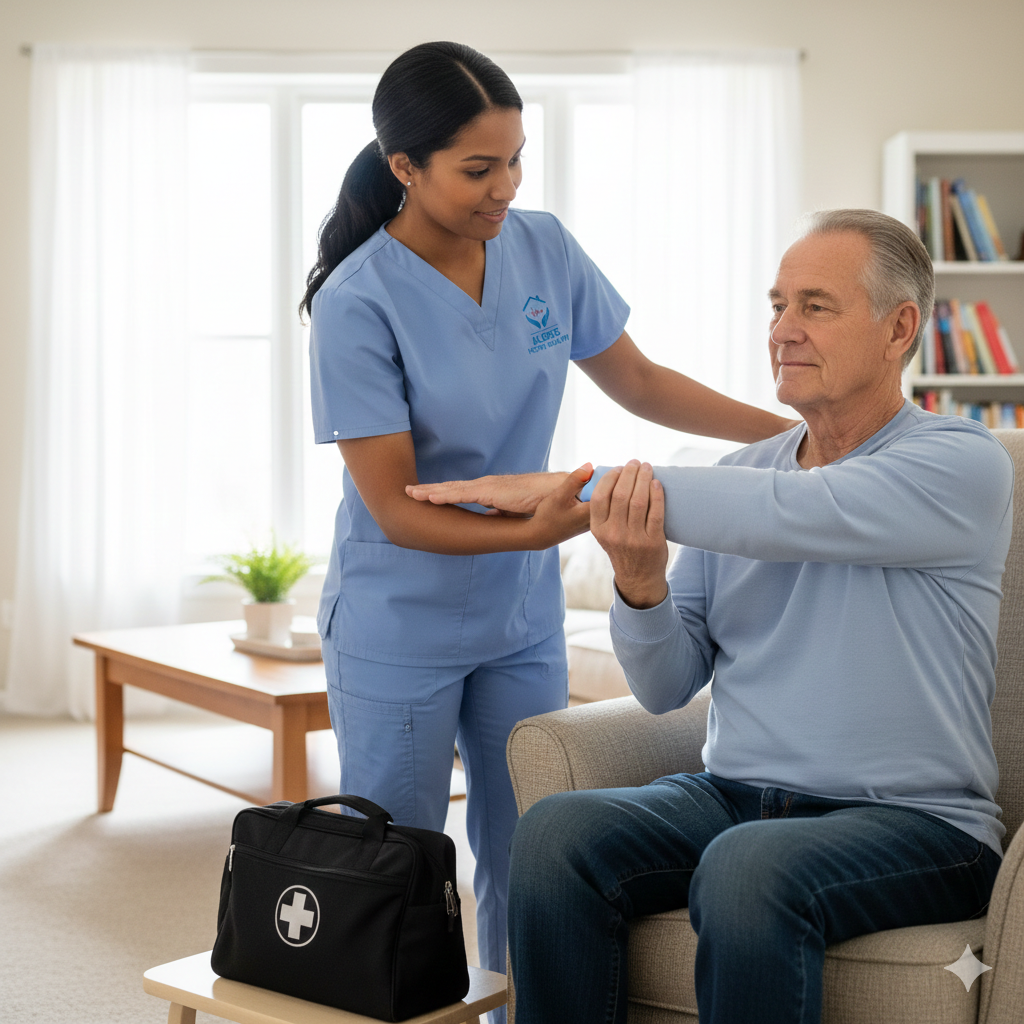
Your Recovery Journey Starts at Home
Your recovery journey starts at home. Contact Aleris Home Health today to schedule an evaluation within 24–48 hours for personalized In-Home Senior Care, compassionate Private Nursing Care, and expert Physical Therapy services designed to support safe recovery and independence.
Call for Assessment: (281) 313-0087
HQ Location: 140 Eldridge Rd, Suite H, Sugar Land, Texas 77478
Email: info@alerishomehealth.com
Start Care: https://alerishomehealth.com/contact-us/
Educational content only. Follow your physician’s individualized plan of care. Call 911 for emergencies.
Find Us on Google Map
Author: Alan Jacob / Medical Writer. Primary service areas: Sugar Land, Houston, Spring, and surrounding communities.